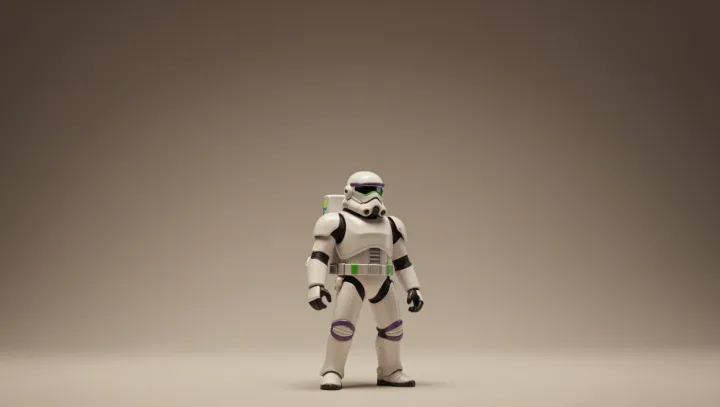
The same Disney figurine can sit on the same shelf, yet carry a completely different emotional weight when you meet it again years later. The plastic, shapes, and colors stay almost identical; what has shifted is the cognitive and emotional system reading them. Memory is not an archive; it is a live process that keeps editing the past as the present changes.
Neuroscientists describe this through concepts like synaptic plasticity and reconsolidation. Each time you see the toy, your hippocampus does not simply replay a file; it rebuilds an episode, pulling in new associations from later friendships, losses, or achievements. What once encoded pure play now links to attachment, regret, or gratitude. The object becomes a trigger for autobiographical memory rather than a snapshot of a single afternoon on the floor.
There is also a psychological entropy at work. Over time, your experiences accumulate and your internal narrative grows more complex, less ordered. A small, stable object like a Disney toy starts to function as a low-noise signal in that rising disorder, concentrating meaning that used to be spread across an entire childhood. The toy has barely aged, but your baseline mood, your stress hormones, even your basic metabolic rate of attention have shifted, so the emotional “return on contact” is higher, sharper, and often more bittersweet.