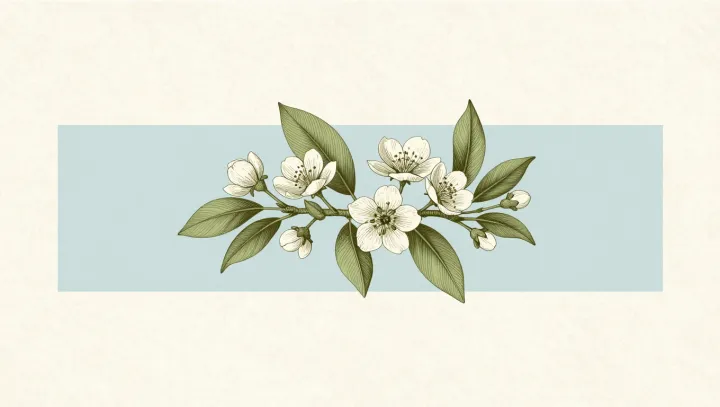
Orange blossom sits at a rare intersection where haute perfumery and clinical aromatherapy draw from the same flower for different forms of influence. In fine fragrance, distillations such as neroli and orange flower absolute are prized for their ability to build luminous top notes and a soft white‑floral heart, anchoring entire scent architectures even in small concentrations.
The same volatile organic compounds that define its signature profile also engage neurobiology. Constituents like linalool and limonene interact with the limbic system via olfactory receptors, shaping autonomic nervous system balance and promoting parasympathetic dominance. Trials in controlled environments have associated inhalation of citrus blossom vapors with reductions in cortisol and changes in heart rate variability, suggesting a measurable effect on stress response and perceived anxiety levels.
This dual role creates an unusual kind of marginal utility: the more perfumers refine its accord for emotional resonance, the more useful it becomes to clinicians exploring non‑pharmacological tools for mood regulation. In a market crowded with synthetic notes and overstimulating accords, a small, almost understated citrus flower continues to influence both how luxury is bottled and how calm is quantified.