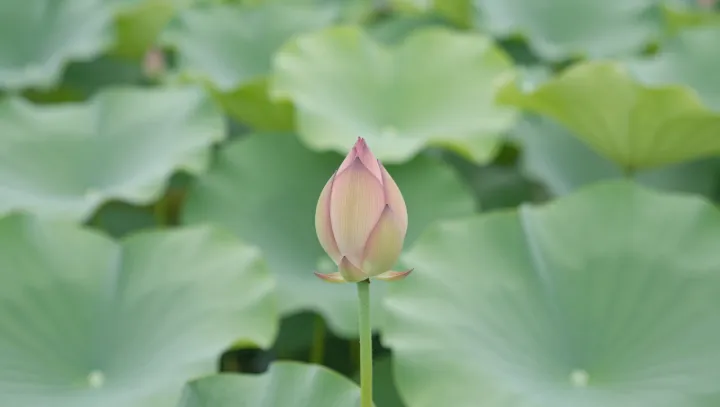
A single lotus plant can be plated as an entire meal, with each anatomical part offering a different role on the table. Petals slip into cold salads as delicate carriers of fragrance, while stamens are dried and brewed into tea, releasing volatile oils that shape aroma rather than bulk.
Seeds anchor the feast with dense bite and starch, their endosperm echoing the slow release associated with low glycemic index foods and steady basal metabolic rate. Young leaves wrap sticky rice in a tight chlorophyll-scented envelope, creating a controlled steam chamber where heat transfer and moisture diffusion quietly redesign texture.
Below the waterline, the rhizome functions as the structural backbone of the menu, its crisp vascular bundles snapping like a plant-based counterpart to cartilage. Sliced thin, it leans toward a refreshing crunch; braised, its cell walls soften and pectins loosen, shifting mouthfeel from sharp to yielding. In this anatomy-driven tasting, a single species becomes a study in culinary marginal utility, each part extracted for a distinct sensory return.