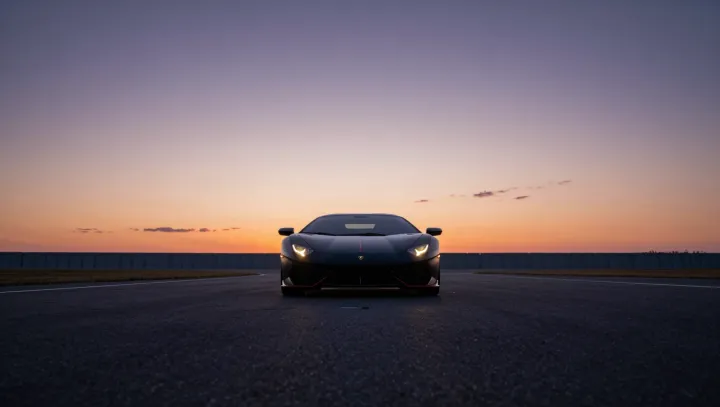
Rush-hour traffic in major city centers now moves at a pace that often loses to a person on foot. Modern cars accelerate quickly, reach high top speeds, and saturate limited road capacity. Navigation apps show door-to-door travel times where the fastest option across a compact downtown core is to park, walk several blocks, and bypass stalled lanes of vehicles.
Urban planners point to induced demand and traffic flow theory to explain the paradox. As vehicles become more capable and ownership rises, the effective throughput of intersections and narrow corridors hits a ceiling. Signal timing, lane geometry, and safety buffers limit the number of cars that can cross each junction. Beyond that threshold, each additional car increases delay for everyone, while a pedestrian stream continues to move at a stable, predictable speed.
Micromobility services, congestion pricing pilots, and redesigned street grids all respond to this imbalance. Sidewalks and protected crossings increasingly handle a significant share of short trips once taken by car. For commuters, the rational strategy in dense cores is shifting: treat the car as a perimeter tool, then rely on walking to optimize total journey time across the most congested segments.