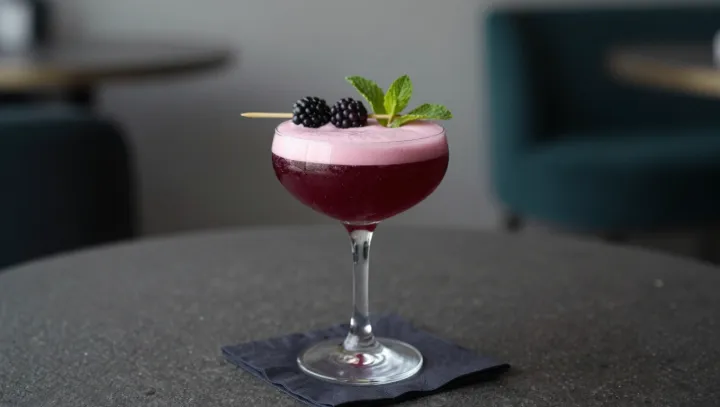
A glass that looks like fruit juice can already be shifting how the brain counts alcohol. When spirits are masked with sugar, fruit acids and aroma, the usual sensory warning signals are dampened and the drink is encoded as harmless refreshment rather than as a psychoactive dose.
Behind that pleasant burn, the mesolimbic reward system links taste, color and mouthfeel with a rapid dopamine release, while the prefrontal cortex struggles to track the actual dose. This mismatch between sensory input and blood alcohol concentration disrupts interoception, the brain’s ability to read internal states, so subjective impairment lags far behind objective intoxication. Over repeated exposures, classical conditioning and habit formation circuitry in the striatum build an association between brightly colored, sweet liquids and social ease, not risk.
The cocktail effectively retrains Bayesian updating in decision circuits: each easy, consequence-light episode nudges the brain’s estimate of danger downward, a subtle shift in perceived marginal effect per drink. Because sweetness masks bitterness and quick sips reduce the feedback window from nausea or dizziness, self-regulation loops receive weak error signals, allowing the pattern to entrench until the harmless-looking glass becomes a reliable shortcut to underestimation.