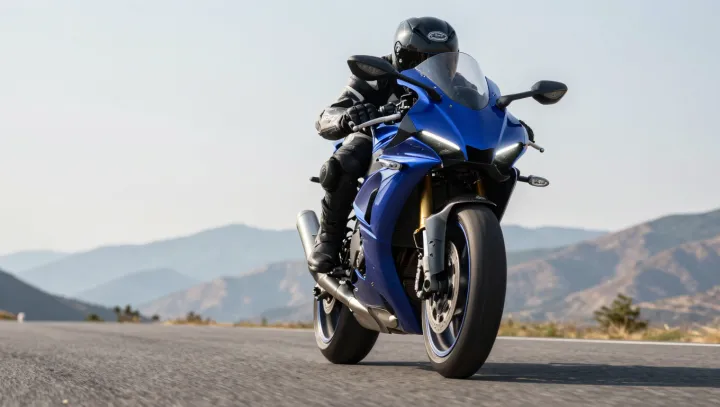
Air pressure on the skin, engine vibration under the spine, and scenery rushing past the eyes create a sensory storm that a closed car cabin simply does not deliver. At the same physical speed, the brain receives a much denser stream of motion information on a motorcycle.
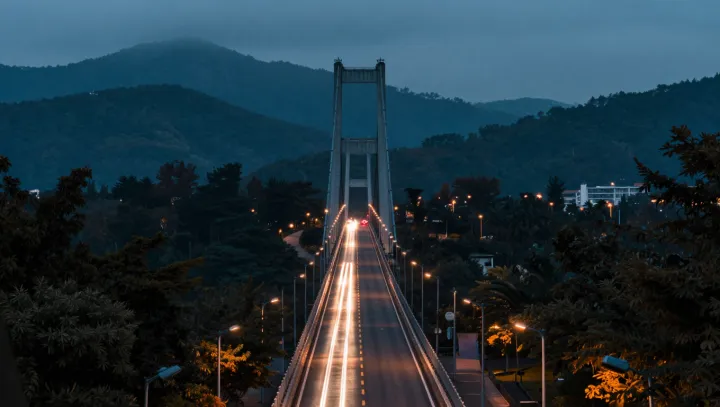
The visual system tracks optic flow, the apparent motion of the environment across the retina. On a motorcycle, the field of view is wide and unobstructed, so optic flow is intense and high contrast. Guardrails, lane markings, and roadside objects sweep across peripheral vision, driving motion-sensitive neurons in the visual cortex harder than through a narrow windshield and dashboard frame.
At the same time, the vestibular system in the inner ear and the somatosensory system in the skin and muscles register continuous micro-accelerations, wind shear, and vibration. These signals alter proprioception and raise overall arousal through the reticular activating system. The brain integrates all of this in multisensory areas, where perceived speed behaves like a kind of neural marginal effect: more cues per second bias the internal estimate upward, even when the speedometer for both machines shows the same number.