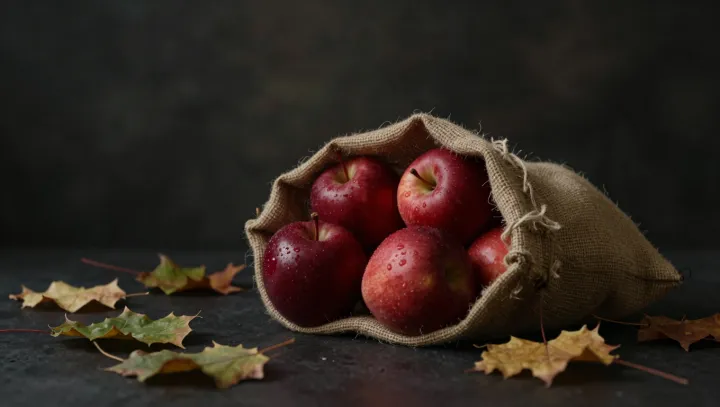
The same word on a fruit label can mask a major nutritional split. Under the skin, a deep-red, thick-skinned Red Delicious and a paler, generic apple do not deliver the same antioxidant payload or sugar balance, even when their calories match on paper.
Anthocyanins and other polyphenols concentrate in the peel, so a darker, more intensely pigmented Red Delicious typically carries a higher antioxidant capacity per bite than a mild-colored dessert apple. Laboratory assays of total phenolic content and oxygen radical absorbance capacity consistently show wide variance between cultivars. That gap matters because these compounds interact with oxidative stress pathways and low-grade inflammation rather than just decorating nutrition labels.
Sugar, meanwhile, is not only about grams. The ratio of soluble fiber to free fructose shapes glycemic response and downstream insulin signaling, two levers that influence basal metabolic rate over time. Some modern apples are bred for sweetness and texture first, which can dilute fiber density while preserving a strong sugar hit. Red Delicious, with a more robust peel and slightly different starch-to-sugar conversion curve during ripening, can slow gastric emptying and modestly blunt glucose spikes relative to a softer, very sweet variety at the same serving size.
For consumers who treat all apples as interchangeable, that means each bite can quietly alter antioxidant exposure, oxidative stress buffering and blood sugar dynamics, even when the fruit fits under a single, familiar name.