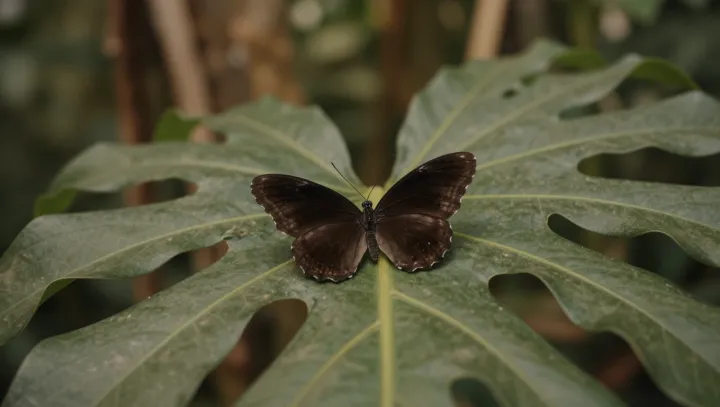
A single face can fracture into three entirely different identities before a shutter ever clicks. In fashion photography, the variables are not costumes or prosthetics, but the angle of light and the geometry of the lens. Together they rewrite how bone, skin and expression are read by the viewer, shifting an actor from ethereal muse to gritty character to glossy icon without leaving the studio.
Light direction acts like a sculptor. Side light exaggerates relief, deepens the eye sockets and drags the zygomatic bone into sharp visibility, producing a harder, more cinematic persona. Front light flattens micro‑shadows and reduces perceived texture, smoothing the face into a billboard‑ready surface. Overhead light carves hollows under the brow and cheek, hinting at tension, while low light inverts that logic, enlarging the eyes and building a more vulnerable or surreal presence.
Lens choice then rewires proportion. A wide‑angle lens at close range stretches the nose, jaw and forehead, creating a restless, documentary energy; a telephoto lens compresses perspective, narrowing the face and stacking features into a polished, almost graphic symbol. Mid‑range focal lengths sit between those extremes, letting subtle changes in camera height and subject distance swing the perceived personality. By sequencing these optical and lighting combinations, a single session can deliver three characters that feel unrelated, yet all remain anchored in the same human face.