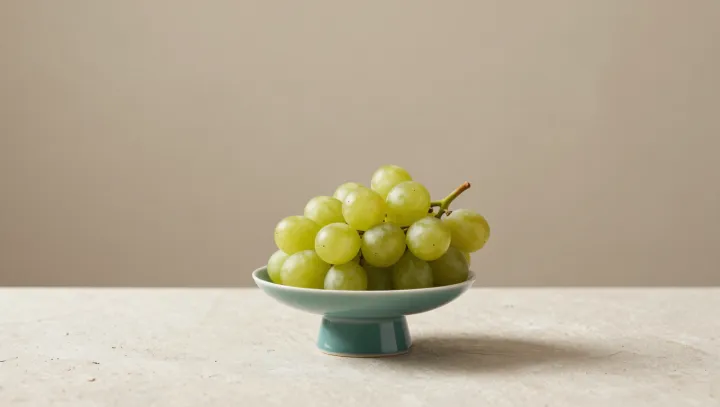
Green grapes and Muscat-style green raisins appear to sit in different fruit categories, yet biology places them inside a single species, Vitis vinifera. What consumers read as another fruit is, in genetic terms, a variant line, shaped by generations of selection on flavor chemistry and mouthfeel rather than by speciation.
Breeders work with one genome and shift its parameters. By crossing vines and screening seedlings, they alter soluble sugar concentration, titratable acidity and the ratio of skin to pulp, while keeping reproductive compatibility intact. Mutations in genes that control seed development, berry firmness and cuticle thickness are stacked, so that some lines yield crisp, seedless, high-brix table grapes, while others are optimized for dehydration into translucent, aromatic raisins.
Behind the visual contrast lies the same domestication engine that drives changes in baseline metabolism and entropy in other crops: incremental edits that accumulate without breaking species boundaries. Growers exploit this plasticity to target specific value niches, from fresh dessert fruit to high-yield drying cultivars, using clonal propagation to lock in traits and keep the commercial phenotype stable across vineyards and harvests.
The supermarket divide between a glossy box of green grapes and a packet of Muscat-style raisins is therefore less a story of different fruits than of marginal effects within one species, amplified by breeding priorities and supply chains until they look like separate categories on the shelf.