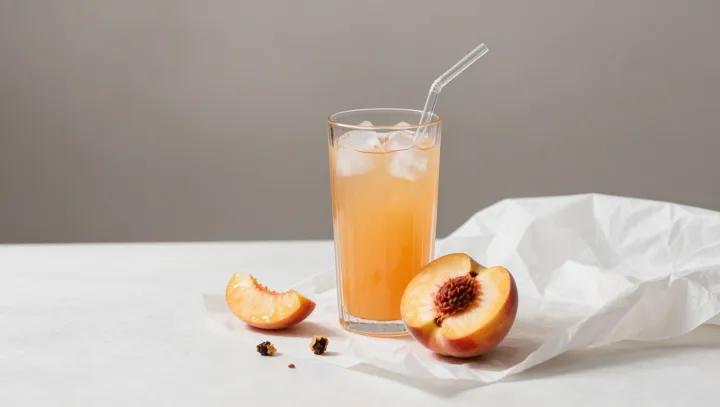
One pinch of salt can make fruit juice taste sweeter without adding sugar. The effect does not come from extra calories or more sucrose. It comes from how the tongue and brain process taste signals when sodium ions enter the mix.
On the tongue, taste buds host receptor cells for sweetness, bitterness, sourness, saltiness and umami. These cells rely on membrane proteins such as G protein coupled receptors and ion channels. A trace of salt brings in sodium ions, which change how these channels fire. Low salt levels can dampen bitter receptor activity and reduce the perception of acidity, while leaving sweet receptor pathways such as T1R2 and T1R3 largely intact. The result is a kind of sensory contrast: less noticed bitterness and sharpness make the existing fructose and glucose taste more pronounced.
In the brain, the gustatory cortex integrates these electrical signals rather than reading any flavor in isolation. When bitterness and sourness drop, the overall pattern of neural activity shifts toward a profile the brain interprets as sweeter, even though the objective sugar concentration stays constant. The effect depends on dose: a literal pinch can refine flavor, but heavy salting activates classic salt taste receptors and quickly overwhelms sweetness.