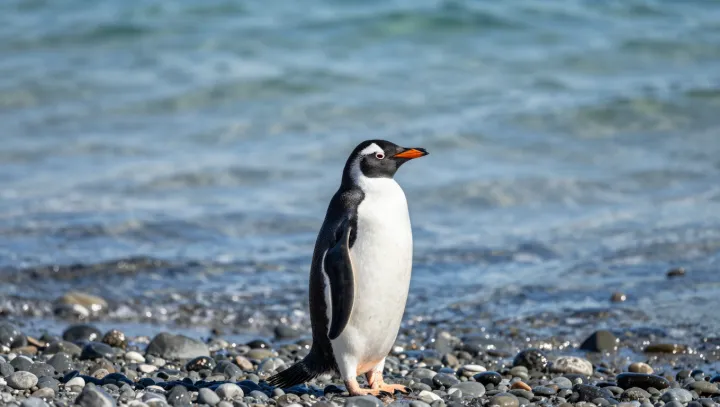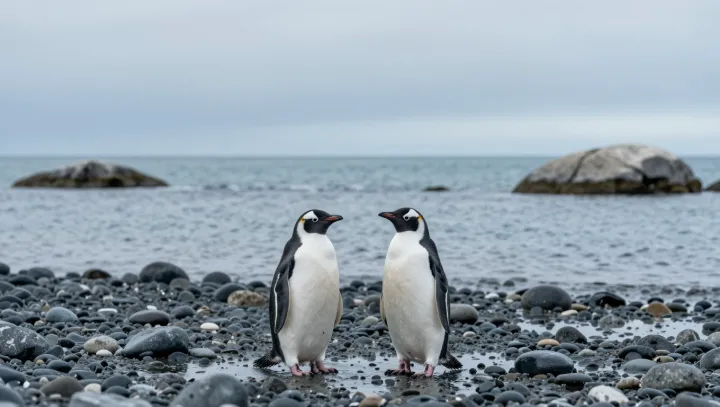
A penguin huddle looks like overkill: dense bodies, barely any gap, steam rising from the core. Yet these birds already carry thick fat, waterproof plumage and a counter‑current heat exchange system in their limbs. The cluster forms not because individuals are poorly insulated, but because the group can push energy economics even further.
Research on thermoregulation shows that an exposed bird burns far more to maintain its basal metabolic rate against wind and convective heat loss. By packing together, penguins slash the surface area collectively exposed to brutal airflow, cutting that energetic leakage. The cost is a spike in local temperature at the center, where measurements have shown values exceeding what a single bird would ever experience in open air. That apparent inefficiency is managed through constant micro‑movements: the huddle ripples, individuals rotate between edge and core, and no bird stays in the hottest zone for long. Overheating risk becomes temporary and shared, while the savings in energy and the stabilizing of internal body temperature across the group create a powerful marginal effect. What looks like a crowding problem is, in effect, a finely tuned solution to the physics of heat and the scarcity of calories.
The same tightly packed form that threatens to cook the middle birds is the form that lets the colony survive where almost nothing else with a backbone can stand.