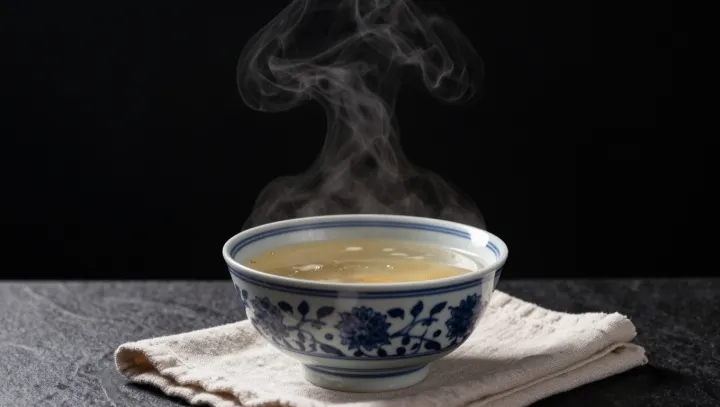
Scalding steam rising from a bowl or cup may carry more than aroma; it may signal a small but repeated assault on the esophagus. Researchers are probing whether shaving a few degrees off the temperature of food and drinks could, over many years, translate into a lower risk of esophageal cancer.
The focus is on chronic thermal injury to the esophageal mucosa. When a bolus of food or a mouthful of liquid is hot enough to cause brief pain, it can create microtrauma in the epithelial lining. That damage can trigger cycles of local inflammation and epithelial regeneration. Over long periods, such cycles may promote DNA damage, cellular dysplasia and, in a subset of people, malignant transformation.
Epidemiological studies from regions where very hot beverages are common have linked such habits with higher rates of esophageal squamous cell carcinoma. While specific thresholds vary, investigators point to repeated contact with liquids and foods that exceed typical oral comfort temperatures. Even a short waiting period that allows convective and evaporative cooling may limit peak thermal stress on surface cells and reduce the frequency of subclinical burns.
Scientists emphasize that temperature is only one factor among many, including tobacco, alcohol and obesity. Yet they note that a cooling pause costs nothing, requires no technology and does not alter nutrients. For public health planners, this kind of behavioral adjustment is an appealing candidate for low‑effort cancer risk reduction messaging.