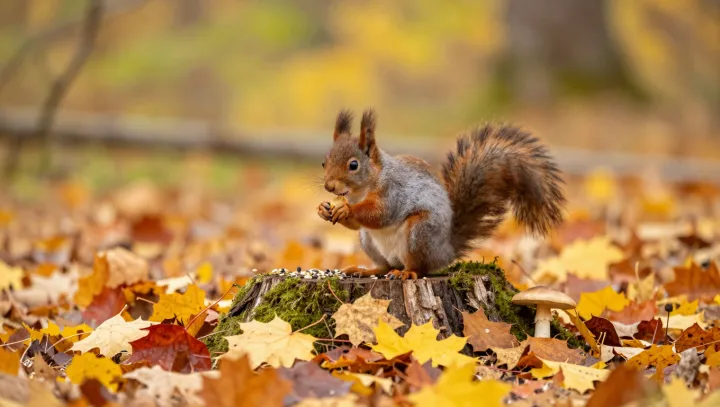
That single peanut tossed from a park bench is less kindness than sabotage. City squirrels are adapted to forage diverse plant matter and hard nuts, a mix that balances protein, lipids, and micronutrients across seasons while keeping their incisors worn and their gut microbiota stable.
What your snack really does is distort that system. Salted nuts, bread, chips, and sweet cereal drive a high-carbohydrate, high-sodium intake that promotes obesity and hepatic fat storage, while crowding out sources of calcium and essential fatty acids, which are vital for bone density and neural function. Teeth overgrow when animals shift from hard mast to soft processed food, impairing feeding and raising infection risk.
More damaging than the calories is the lesson. Food handouts rapidly condition squirrels through operant learning to associate humans and paved edges with reward; researchers call it habituation. That shift pulls them toward roads, strollers, and dogs, increasing trauma from vehicles and bites. Dense feeding spots also compress multiple individuals into small areas, amplifying parasite transmission and viral shedding in a way routine scattering of acorns rarely does.
The irony is sharp. A gesture meant as a tiny rescue nudges the animal toward dependence on an unreliable, nutritionally warped supply chain that appears and vanishes with human moods and tourism cycles, exactly where a wild squirrel can least afford to linger.