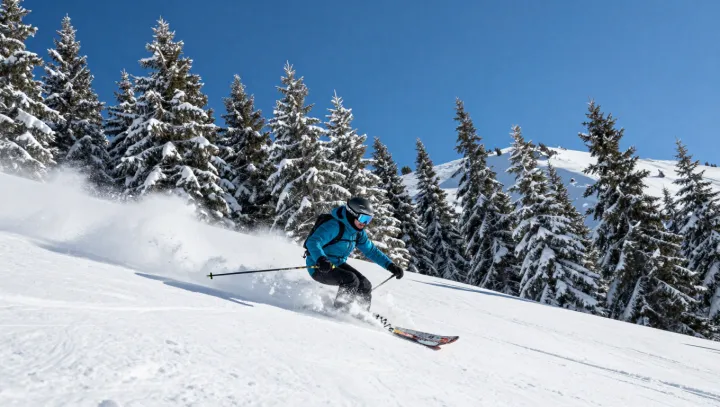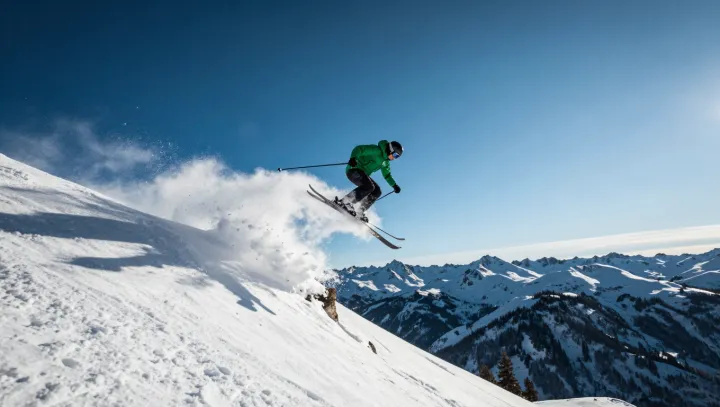
Steel edges, not shiny helmets, decide how fast a beginner levels up on snow. Rental boots can be soft, skis can be generic, yet the skier who learns to roll the ankles and load the edges gains control that money alone cannot buy, because friction, grip and force distribution obey physics, not branding.
The sharper claim is this: technique, specifically edging and pressure control, cuts both risk and cost more aggressively than any equipment upgrade. When a skier tips the ski so its edge, not its base, engages the snow, the coefficient of friction rises, the effective sidecut starts to work, and the ski carves a predictable arc instead of skidding into random falls and medical bills.
Cheap gear, used well, beats premium gear, used badly. By learning to flex at the ankles and knees, then timing pressure through the turn, beginners shift their center of mass over the working edge, which stabilizes ground reaction forces and slashes the number of panic stops, collisions and broken poles that often trigger extra rental fees and wasted lesson time.
The economic logic is blunt. A few focused sessions on edging drills, side slipping and controlled carving transform a basic rental setup into a high‑value tool, while chasing the latest ski design only masks bad habits that resurface on every slope once the edges are flat and the pressure is random.