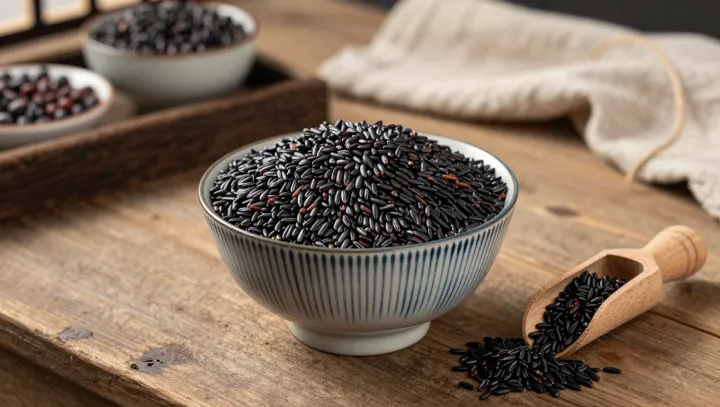
Brown rice and steel-cut oats may be doing more than trimming your belt. Evidence now points to specific whole grains as quiet actors in cancer prevention while they help weight management through the same biological routes. At the center sits dietary fiber that reaches the colon intact and becomes raw material for microbial chemistry.
The blunt claim is this: a bowl of intact barley or rye can reshape risk in ways a fiber supplement rarely matches. Their insoluble and soluble fiber slows gastric emptying, flattens postprandial glucose, and improves insulin sensitivity, which is tied to lower adiposity and reduced levels of insulin-like growth factor 1, a hormone linked to several tumors. Because these grains are minimally processed, they demand more chewing and extend satiety signals mediated by cholecystokinin and peptide YY, cutting spontaneous calorie intake without conscious restriction.
Even more radical is what happens lower in the gut. Fermentable fiber from oats, wheat bran and barley feeds colonic bacteria that generate short-chain fatty acids such as butyrate and propionate. These metabolites promote apoptosis in abnormal colonocytes, dampen chronic inflammation through modulation of nuclear factor kappa B, and improve gut barrier integrity, all mechanisms associated with lower colorectal cancer incidence. At the same time, fiber binds bile acids and estrogens for excretion, a pathway linked with reduced breast and endometrial cancer risk, turning an ordinary grain bowl into a modest but persistent form of chemoprevention.