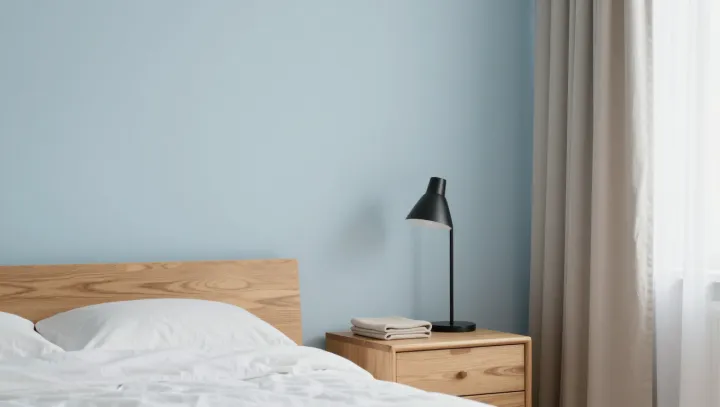
A single lamp on a side table can outlast an entire renovation in emotional memory. That sounds irrational, yet cognitive science keeps siding with the corner. Sensory psychology shows that tightly framed scenes reduce what researchers call cognitive load, forcing the brain to process fewer stimuli and to assign clearer emotional tags through the amygdala and hippocampus.
Small, carefully chosen details also hijack reward circuitry. A favorite mug, a textured throw, a plant catching late light: each becomes a consistent cue that triggers dopaminergic pathways associated with safety and anticipation, while large-scale upgrades quickly fade into baseline through hedonic adaptation. When the whole house changes, the novelty distributes; when one corner changes, the experience concentrates.
Designers sometimes resist this idea, yet environmental psychology points the other way. People reliably report strongest attachment to specific micro-spaces, not to floor plans or price tags. Intimate corners invite repeated, ritualized use, which strengthens synaptic consolidation and turns that small zone into an emotional anchor. The rest of the house becomes background; the corner becomes home.