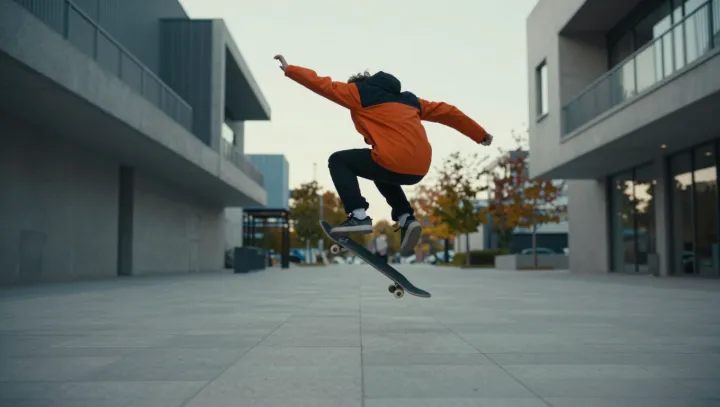
A scrap of wood on roller-skate wheels should have stayed a joke. Instead, that improvised surfer stand‑in became a moving passport, letting teenagers cross borders of class, dress and even police attention with a single push. The plank that once mimicked a wave on dry asphalt started to rewrite who owned the street and who merely passed through it.
The real shock is how quickly fashion surrendered. Baggy denim, logo tees and flat‑soled sneakers did not trickle up from runways; they were field gear for scraped knees and failed tricks, later reverse‑engineered by luxury houses into curated “drops” and tight inventory calendars. What began as anti‑uniform soon hardened into a global dress code, with skate shops acting as informal gatekeepers long before any brand manager spoke about authenticity or community segmentation.
More radical still is the way a toy forced cities to redraw their blueprints. Benches gained hostile metal studs, handrails sprouted deterrent brackets, and granite ledges were chamfered not for aesthetics but for risk management and liability control. Each new anti‑skate device quietly acknowledged the same fact: this cheap board had turned plazas into arenas, curbs into stages, and municipal concrete into a contested medium of expression and control.