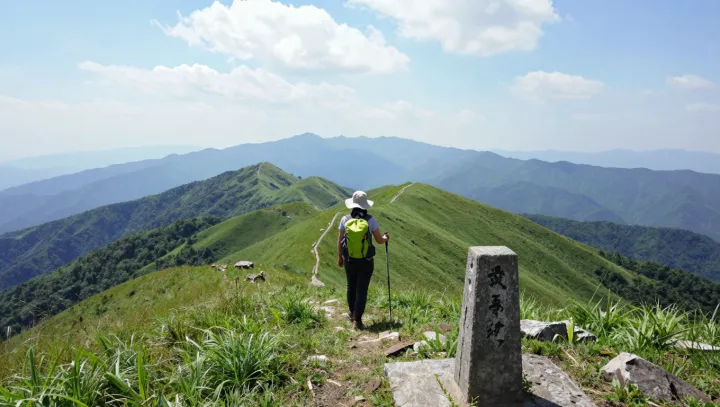
Fresh legs are overrated, say veteran hikers, and they are right. The first minutes on a trail tempt the body into sprint mode, yet that early burst floods muscles with lactate, spikes heart rate, and starts draining glycogen long before the summit comes into view.
The smarter play is counterintuitive: walk slower, on purpose. Shorter, relaxed strides keep joint impact forces lower and let the aerobic energy system, driven by mitochondrial respiration, handle most of the workload while oxygen delivery is still catching up. When hikers hold intensity below the ventilatory threshold, they delay the shift toward anaerobic metabolism, which is exactly where rapid fatigue and burning legs begin. That restraint builds a buffer of unused capacity they can leverage later on steeper ground.
Experienced hikers insist this is not about comfort but about speed. By avoiding early microtrauma in muscle fibers and keeping core temperature from rising too fast, they maintain consistent pace instead of the classic fast–then–crawl pattern. Field studies on endurance walking show that steady submaximal effort yields faster total times than aggressive starts that require long recovery pauses. The slower opening kilometers act like a warmup for connective tissue and cardiovascular output, turning the final stretch from survival march into controlled acceleration.