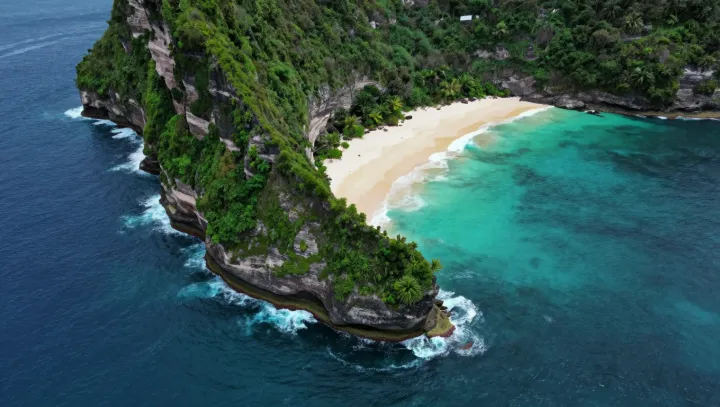
Dry air, not the ocean, rules this coast. Just meters from Atlantic surf, the Namib Desert remains hyper‑arid because cold offshore currents lock moisture in fog, while prevailing winds strip rain from inland air columns before droplets can form.
The famous fairy circles are not whimsical at all; they are brutal zoning laws written in sand. Within each bare disk, plant roots and termite galleries reorganize soil porosity and hydraulic conductivity, forcing scarce water to pool where it can be most efficiently captured and stored below the surface.
Plants, far from passive victims, appear to set minimum spacing the way cities impose building codes, using root competition and transpiration to deny rivals enough water for germination, as termites extend underground tunnels that modulate infiltration and evaporation, creating a feedback loop that stabilizes the rings.
What looks like random polka dots from the air is, at ground level, a negotiated ceasefire between grasses and insects, each engineering micro‑reservoirs that allow life to persist in a strip of coast that, despite the roar of nearby waves, might as well be a silent, inland desert.