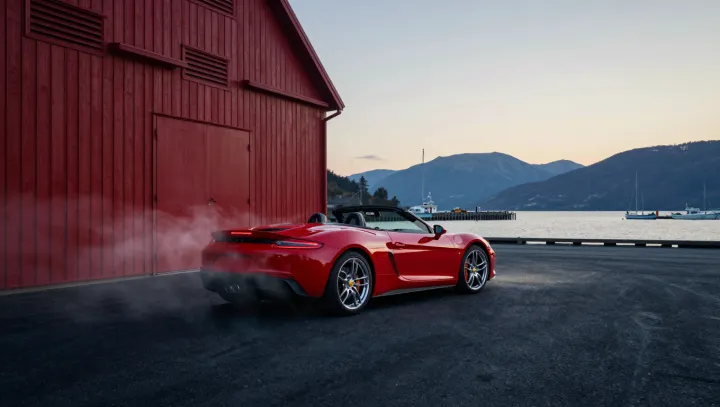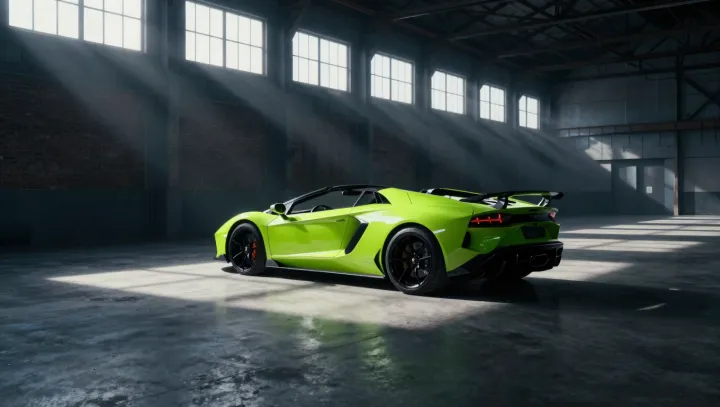
Air, not horsepower, is the real authority over the McLaren 600LT Spider when its roof disappears at high speed. Where most convertibles let turbulence invade the cabin and peel lift off the body, this car treats the missing panel as a boundary condition and then shapes the pressure field with the same intent as a fixed‑roof track weapon.
Key to that composure is that the open top is not the main aerodynamic actor at all; the underbody and rear architecture are. A flat floor, extended side skirts and a rear diffuser manage ground effect, using Bernoulli pressure differentials to pull the chassis down regardless of what happens above shoulder level. The long‑tail deck, fixed rear wing and the top‑exit exhausts cooperate to energize the wake, keeping flow attached over the back of the car instead of letting it break up into the chaotic vortices that make many soft‑tops feel nervous.
That confidence also comes from an aggressively controlled cockpit environment rather than a casual breeze. Air is guided by the front splitter and carefully profiled A‑pillars so the slipstream rises over the cabin opening instead of falling into it, which limits internal pressure spikes and cross‑buffeting. Computational fluid dynamics and wind‑tunnel tuning push the center of pressure close to the car’s center of gravity, reducing pitch and yaw sensitivity when the roof is stowed. The result is less a compromised convertible than a low‑drag channel with a removable lid, built to stay planted long after other open cars have started to squirm.