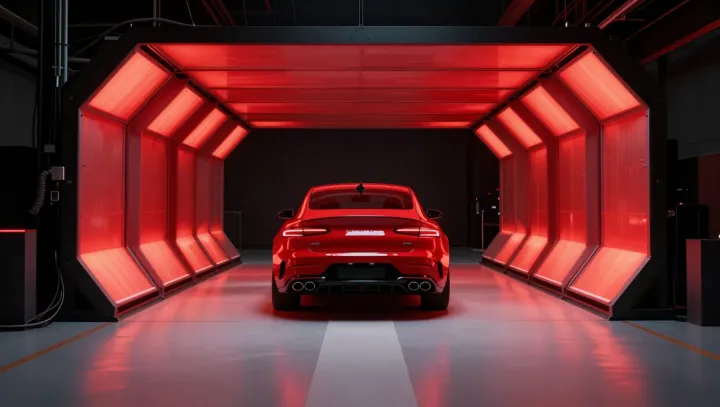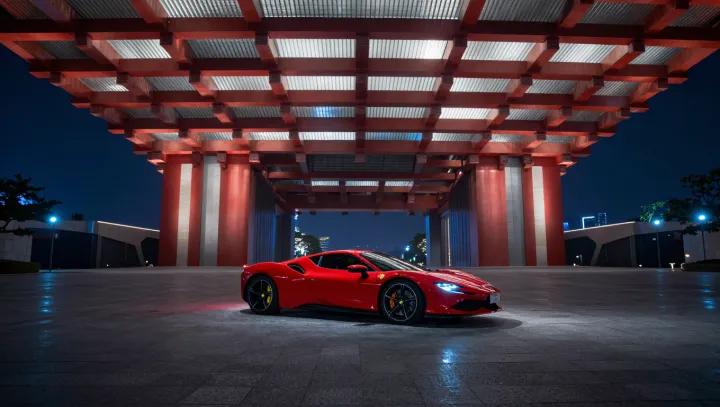
A low, angular coupe did what large carmakers hesitated to do: promise supercar acceleration with pure-electric hardware and no corporate parent in sight. The Piech Mark Zero appeared as a fully formed concept because the company treated the car less as a handcrafted prototype and more as a modular platform, with exterior drama wrapped around a tightly packaged set of outsourced systems.
The bold move was strategic, not romantic. Instead of building everything in-house, the Swiss startup leaned on Tier‑1 suppliers for power electronics, high power charging hardware and battery modules, while it kept vehicle architecture and driving dynamics as its core intellectual property, a way to build a moat without heavy capital expenditure. By specifying a skateboard-style chassis and a rear‑biased weight distribution, the team could mate off‑the‑shelf components to a layout tuned for fast transient response and repeatable acceleration runs, rather than chasing record top speeds.
Even the energy storage story was more engineering than hype. The Mark Zero concept centered on battery cells and a thermal management system designed for rapid charge acceptance and limited heat soak, a trade‑off that favored short, intense bursts of power over long‑distance efficiency. That focus let the startup claim sports‑car agility and quick recharge times while sidestepping the cost of developing its own cell chemistry or building a factory, an approach that turned supplier contracts and clever packaging into the real performance upgrade.