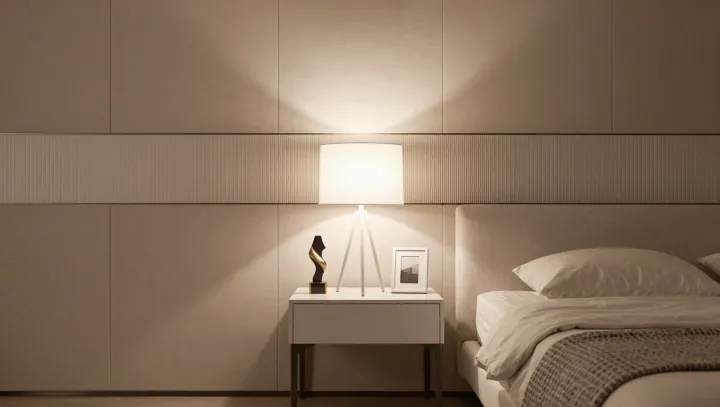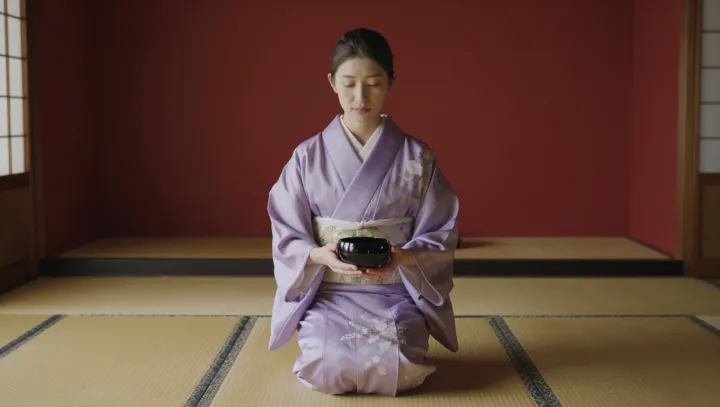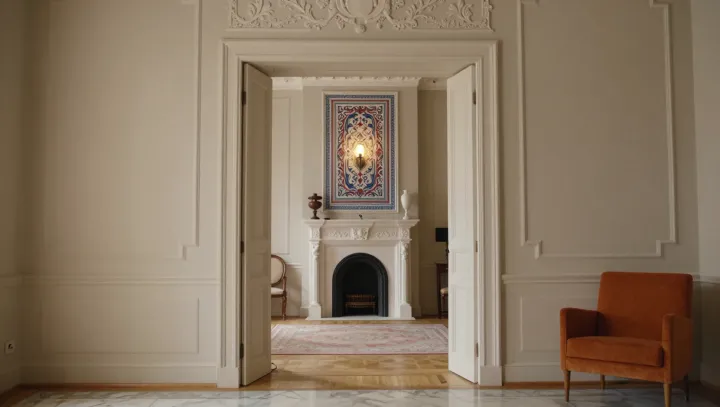
Blank wall. One chair. A clear desk. This stripped scene, not a new sofa drop, is where happiness at home quietly makes its best case. Cognitive scientists describe attention as a finite metabolic resource, and every extra object, color block, or cable stub competes for that fuel, raising cognitive load and pushing the brain into low‑grade alert.
The sharper claim from environmental psychology is blunt: cluttered rooms correlate with higher cortisol and poorer sleep, while pared‑back rooms support more stable mood and faster recovery from stressors. Visual noise acts like background audio hiss; it forces constant micro‑saccades and low‑level sensory processing, which taxes the prefrontal cortex and leaves less capacity for executive function, emotional regulation, and even basic working memory.
What actually helps is not soft mood lighting or artisanal storage boxes, but a cockpit mindset. Every surface gets a purpose or it goes. Fewer color channels mean fewer competing stimuli for the visual cortex; closed storage reduces edge density in the field of view; clear floor area gives the motor system an unambiguous map, which dampens threat detection circuits in the amygdala. The result is a tiny room that behaves like an ergonomic interface for the brain, tuned for rest, focus, and, almost as a side effect, a quieter kind of joy.