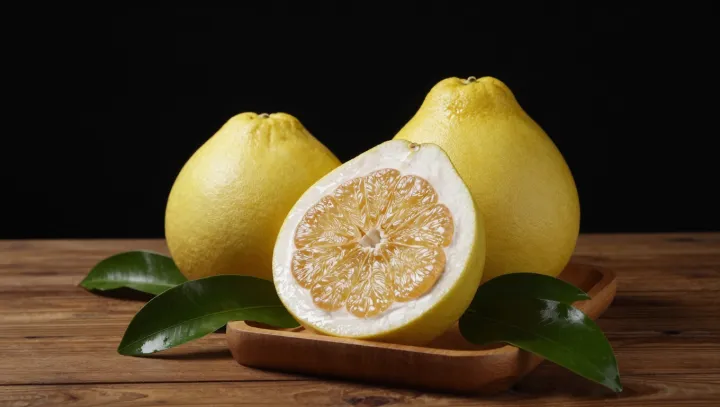
Grapefruit behaves less like breakfast and more like a stealth lab tool. In the gut, its bitter segments quietly shut down the machinery that normally trims drug doses before they reach the bloodstream, turning a standard tablet into something far more potent than the label suggests.
The core problem is simple: grapefruit juice is an enzyme hijacker. Inside the small intestine, compounds called furanocoumarins bind to CYP3A4, a cytochrome P450 enzyme that performs first‑pass metabolism and normally dismantles a large fraction of many oral drugs before absorption. When CYP3A4 is disabled, the same swallowed dose can deliver double, sometimes more, of the active compound into circulation, a pharmacokinetic distortion that drug labels rarely spell out in plain language.
Even more unsettling is how broad the interference runs. By inhibiting intestinal P‑glycoprotein, a membrane transporter that usually pumps drug molecules back into the gut lumen, grapefruit further boosts net absorption, stacking one effect on another. Blood‑pressure drugs, statins, certain antiarrhythmics, some immunosuppressants: all can see their exposure spike, not because the pill changed, but because the fruit rewired the local biochemistry. What looks like a healthy citrus choice is, pharmacologically, a force multiplier hiding in the glass.