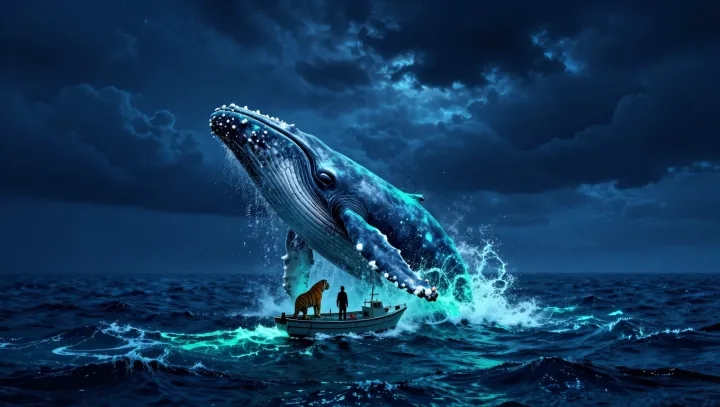
Saltwater, not courage, sets the first rule for a teenager trapped alone at sea: stay afloat, stay insulated, spend energy as slowly as possible. Body heat leaks into water fast through conduction and convection, so the smartest move is counterintuitive stillness, curling tight, using any debris as a crude wetsuit that traps a thin boundary layer of warmer water against the skin while waves strip heat away more slowly.
Survival models tend to underestimate such stubborn physics hacks. A half-empty container becomes a makeshift calorimeter and rain collector, cutting dehydration risk while tracking how fast water warms or cools, a rough proxy for night exposure. Buoyancy is not theory here but a rationing tool: tying containers or clothing into improvised floats lets the teen rest without constant paddling, slashing aerobic demand and slowing glycogen depletion beyond textbook projections.
Animals, not rescue manuals, offer the next edge. Seabirds circling low hint at nearby shoals; fish cluster under shadow and structure, so even a broken panel becomes a primitive fish-aggregating device, turning crumbs of ration into bait instead of dinner. Predatory patterns matter too: staying near flotsam where smaller fish shelter can divert larger hunters, turning a chaotic food web into a thin, improbable buffer between one teenager and the statistics that said they should already be gone.