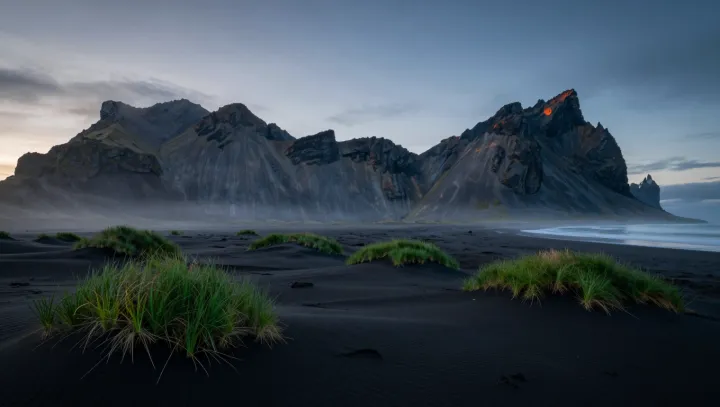
Glaciers, deserts, rainforests and jagged summits sharing one compact territory is not a miracle of climate; it is a blunt product of physics. Along a narrow continental edge, an oceanic plate dives beneath a buoyant plate, a textbook subduction zone that crushes, folds and lifts rock into a towering cordillera while carving a trench offshore.
The real surprise is how brutally efficient such plate convergence can be in compressing variety. Rapid uplift through orogeny drags rock high into cold air, so ice forms where latitude alone would never allow it, while a rain shadow on the lee side starves air of moisture and bakes a dry belt into place. On the windward flank, moist air is forced up the steep gradient, cools adiabatically, then unloads water that feeds dense rainforest even as ice clings to peaks above.
What looks like chaotic contrast is really tight geological engineering driven by mantle convection and isostasy. Steep relief carved by fluvial erosion and glaciation shortens travel between climate zones to a few hours of driving. A single road can cross trench margin, coastal plain, temperate forest, alpine ice and interior desert because the crust itself has been shortened, stacked and lifted by relentless plate collision.