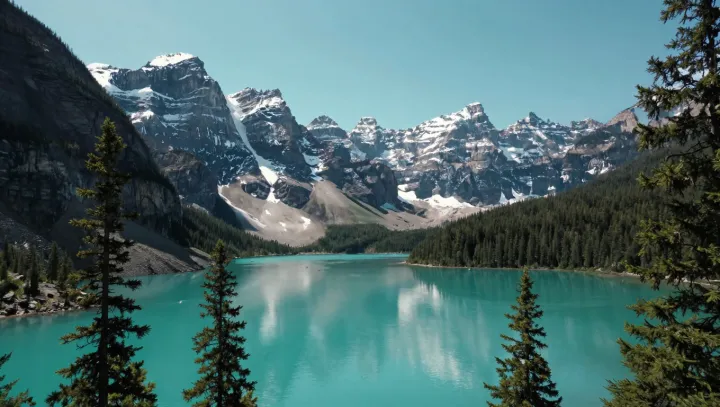
Postcards lie a little, yet Banff comes close to matching them. Behind the turquoise water and clean air sits a rulebook that treats visitors as a pressure load, not a blessing. Tight zoning keeps large swaths off-limits, pushing crowds onto hardened corridors while entire valleys stay effectively reserved for grizzly bears and elk.
The real surprise is how controlled the most photogenic spots are. Boardwalks, railings, and prescribed viewpoints are not cosmetic; they are erosion control infrastructure and a way to confine trampling to a few square meters of soil. Seasonal closures kick in when bears seek berries or when ground-nesting birds use fragile river bars, with wardens enforcing no-go areas and ticketing off-trail shortcuts.
Banff’s wildlife still looks wild largely because movement is engineered. Dedicated wildlife overpasses and underpasses span major roads, guided by fencing that funnels animals away from traffic, and telemetry data quietly dictates where new structures go. Strict rules on garbage, food storage, and campground design reduce habituation and prevent the classic food-conditioned bear that later has to be killed.
What looks like effortless cleanliness is actually constant triage. Caps on commercial beds, shuttle-only access on peak routes, and strict parking limits throttle daily inflow. Restoration crews reseed trampled meadows with native species and close social trails, while monitoring programs track vegetation cover, water quality, and species abundance. Visitors see a postcard. Managers read a dashboard and tighten the rules when the needles move.