Color misleads; texture and weight tell the truth. That is the quiet verdict from fruit physiologists who study blueberry quality, where sugar content and aroma rise on a different curve than skin darkness. Pigment called anthocyanin saturates the peel early, so a berry can look almost black while its internal soluble solids and volatile esters still lag behind the promise of its hue.
More honest is the pale, matte bloom. That dusty film is cuticle wax, and when it looks even and velvety it signals an intact barrier that slowed transpiration and protected cell turgor, conditions under which sucrose and glucose were allowed to accumulate rather than burn off under stress. Patchy or rubbed-off bloom usually tracks rough handling and higher respiratory loss, both enemies of sweetness and aroma stability in storage.
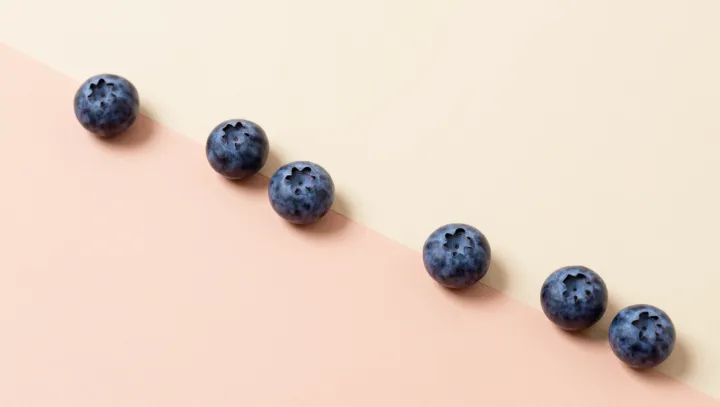
Equally telling is faint speckling. Those tiny dots trace lenticels and micro-variations in epidermal thickness; when they appear as a fine constellation rather than bruised blotches, they hint at uniform cell expansion and consistent parenchyma structure, which sensory panels routinely associate with higher perceived sweetness and juiciness. Dark, unmarked berries can still hide mealy, low-brix flesh if stress disrupted that micro-pattern.
Most decisive is the subtle heft in the palm. A blueberry that feels heavier than its size suggests high cell density and strong osmotic pressure, the physical outcomes of starch conversion into dissolved sugars and of water held firmly inside vacuoles. Light berries, by contrast, often lost water through microscopic cracks in the cuticle or through over-mature softening, leaving pigment intact but sugar concentration and texture already in retreat.