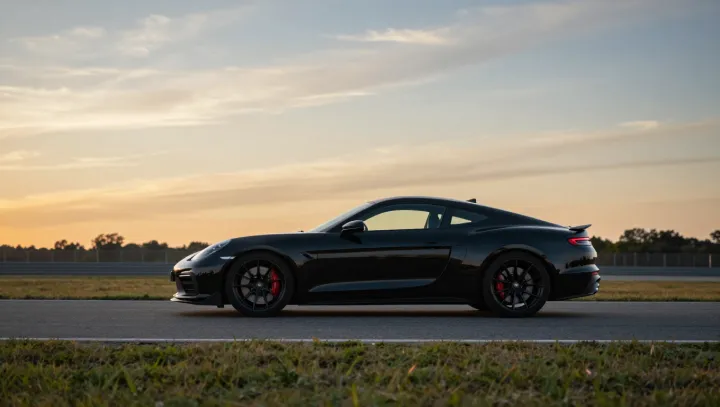
Air, not metal, is the real roof reinforcement on the McLaren 720S Spider. At high speed the body is shaped to send a controlled pressure field over the cockpit, so the retractable hardtop works inside a relatively calm bubble even as the car pushes deep into triple‑digit territory.
The bold claim is that stiffness, not steel weight, keeps the so‑called spider‑leg roof locked in place. That starts with the carbon‑fiber Monocage II‑S, a single structural tub whose torsional rigidity means the loss of a fixed roof does not force extra bracing. Because the load paths run through carbon side sills and integrated rollover structures, the slim roof panels mainly carry aerodynamic and sealing duties rather than primary crash loads.
Equally blunt is the aerodynamic strategy: the Spider refuses to hide behind crude spoilers. A deep front splitter, sculpted side intakes and an active rear wing generate downforce while managing pressure gradients over the cabin opening. By tuning boundary‑layer behavior and vortex shedding around the windshield header and buttresses, engineers reduce buffeting and panel flutter, so the hardtop mechanism can stay compact and light without resorting to heavy clamps or cross‑bars.
The result is a car that treats 300 km/h as an airflow problem, not a carpentry problem, letting structural carbon and fluid dynamics do the heavy lifting where old convertibles relied on mass.