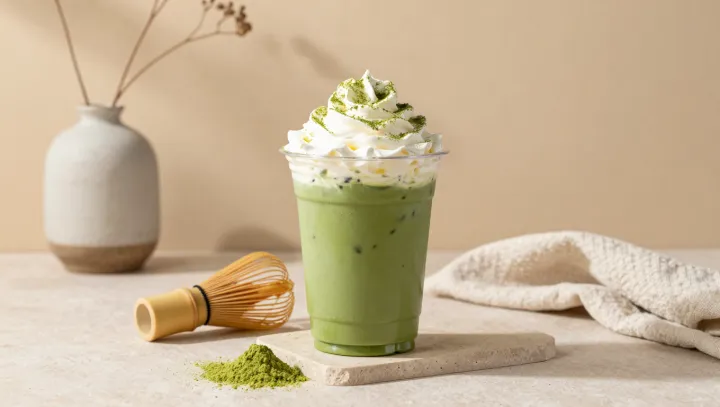
One creamy cup of matcha milk tea behaves less like a drink and more like a compact reward device for the brain. Its mix of sugar and fat activates the mesolimbic dopamine system more intensely than a typical soda, because fat engages additional opioid receptors while glucose surges through the bloodstream, creating a stacked signal in the ventral striatum.
Yet your stomach stays oddly unconvinced. Liquid calories trigger weaker gastric distension and slower cholecystokinin and peptide YY release than solid food with the same energy load, so satiety circuits in the hypothalamus receive a softer message. The caffeine–L-theanine duo in matcha sharpens attention and mood, but that calm alertness can mask subtle fullness cues, letting hedonic drive outrun homeostatic hunger.
The real twist is that this drink can prime appetite instead of closing it. Rapid glucose absorption provokes an insulin spike, then a relative dip that keeps ghrelin from falling as much as it would after a solid meal, while the pleasant mouthfeel and vanilla-like aromas reinforce conditioned flavor–calorie learning. So the brain flags the experience as high-value, the gut files a weak satiety report, and your hand goes back for another sip.