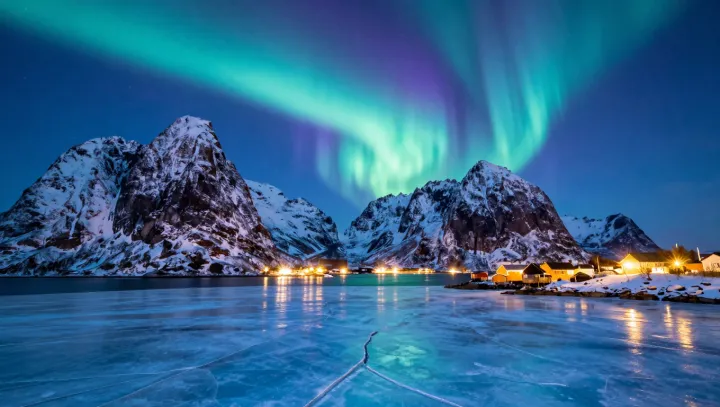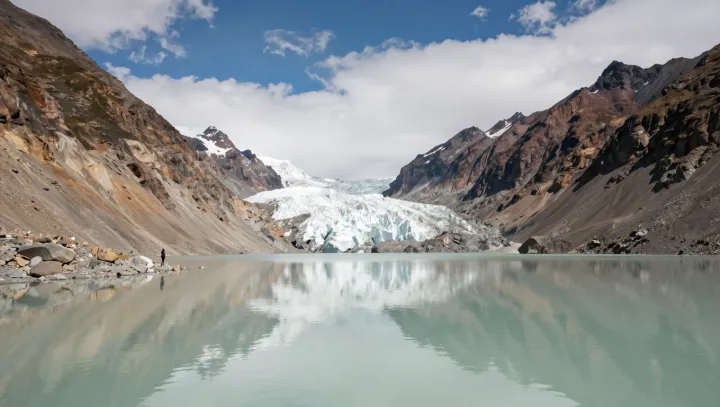
Thin ice fools experts first. Their confidence is not vanity; it is muscle memory built from hundreds of safe crossings where the physics quietly favored them. When experience trains the brain through operant conditioning and Bayesian updating, rare low-probability failures are discounted, so one more step on a familiar basin feels statistically justified.
Underestimation also begins in the body. Hypoxia dulls the prefrontal cortex, while cold stress hijacks attention toward warmth, not structural integrity beneath the boots. A surface film of wind-scoured snow flattens contrast, and specular reflection on wet ice masks microfractures that radar or ground-penetrating sonar might reveal but human vision cannot. The terrain is known; the microphysics are not.
Social dynamics push the risk further. Elite climbers operate inside small, status-heavy teams where turning around on a feature they have crossed many times imposes a reputational cost. Groupthink and commitment bias then beat caution, especially when satellite imagery and GPS tracks appear to confirm a safe historical line, even though latent heat in meltwater and changing albedo have already rewritten the glacier from below.