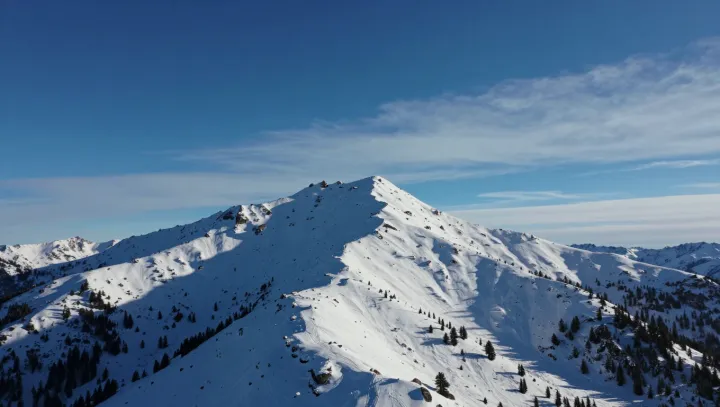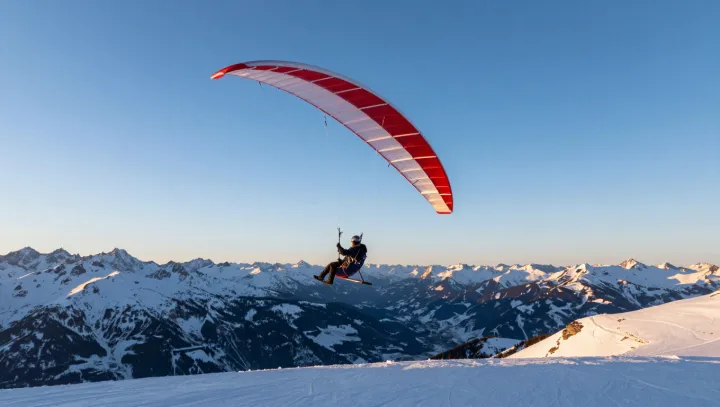
Cold air writes the script before the pilot does. In winter, denser air boosts lift and control authority, so a wing at low altitude can hold absurd speed with minimal pitch change, letting elite pilots skim terrain where every meter turns into extra energy for tight lines and faster task times.
Elite competitors are not thrill addicts first; they are control maximalists who quietly admit that the human brain is too slow. Sensory transduction, synaptic delay and motor response stretch into hundreds of milliseconds, while a glider racing close to the slope covers multiple wing spans in that gap, so the boundary layer and angle of attack decide survival before conscious fear can fire.
The blunt truth is that winter makes this bargain cleaner. Cooler, more stable air reduces convective turbulence, so pilots can fly closer to the speed polar of the wing without chaotic gusts; by locking into a narrow energy management window, they outsource moment‑to‑moment outcomes to aerodynamic stability, trusting composite structures and air density over reflex and emotion.