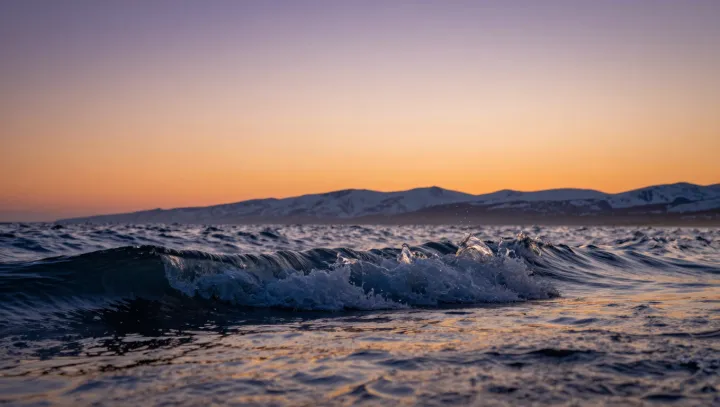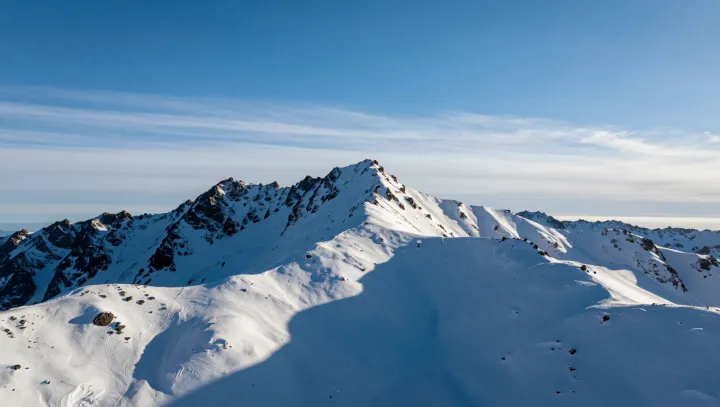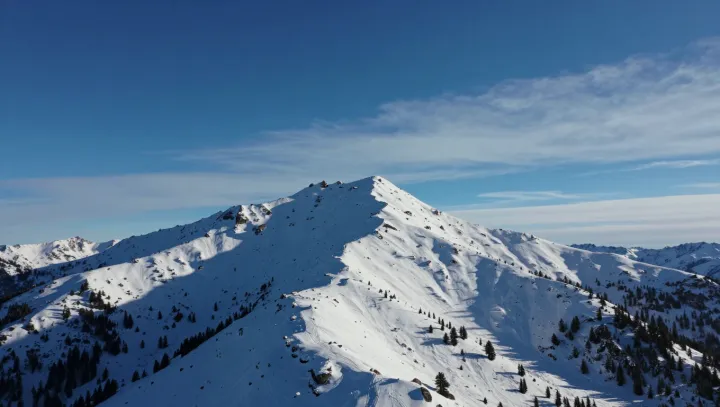
The real surprise is not that glaciers survive on peaks, but that they do so next door to rain that feels almost tropical. Thin air is cold air. As moist air climbs a mountain, the environmental lapse rate cools it several degrees per vertical step, pushing temperatures on summits well below freezing even when nearby valleys sit above the melting point.
Glaciers persist because physics keeps giving them an energy deficit. High elevations radiate heat away efficiently into the clear, dry upper troposphere, a process known as longwave radiative cooling, while low air pressure means less greenhouse trapping right at the surface. Short days, frequent snow, and high albedo reflect much of the incoming solar radiation, so annual mass balance often stays positive and the ice endures.
Valleys, by contrast, behave like wet heat sinks. Dense air pools, humidity climbs, and warm ground boosts sensible heat flux into passing air masses. When that loaded air is forced upslope by orographic lift, or destabilized by surface heating, it can trigger deep convection and cumulonimbus towers that dump torrents of rain or hail. Under such downpours, disoriented fish, frogs, or insects picked up earlier by strong updrafts can fall with the deluge, feeding stories that animals are dropping straight from a clear blue sky.