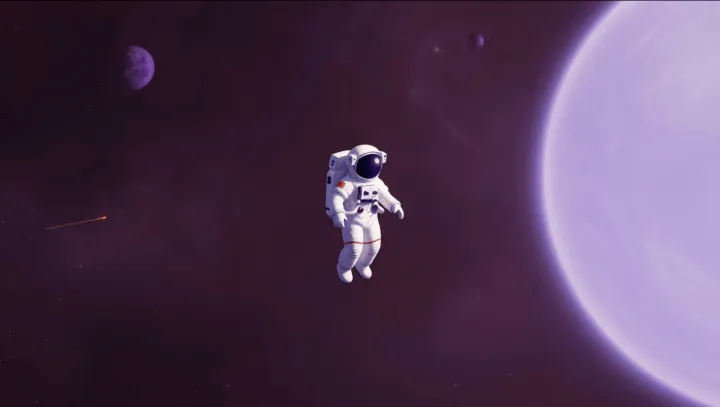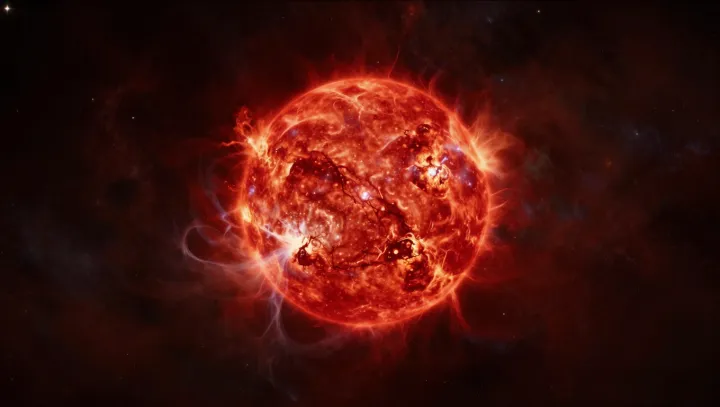
The Sun would not hiss out under an ocean of water; it would tighten its grip and burn harder. Water is not a fire extinguisher in space, it is fresh fuel. Each molecule carries hydrogen, the same basic ingredient that already powers the solar core through nuclear fusion.
At the heart of this lies a harsh point: chemistry is irrelevant there. Ordinary combustion, with oxygen feeding a flame, governs a candle or a forest, but the Sun runs on quantum tunneling and proton–proton fusion chains inside ionized plasma. In that environment, water does not stay liquid or even gas; its atoms are stripped into nuclei and electrons almost instantly, then folded into the existing mix of charged particles that crowd the stellar interior.
More mass does not smother the Sun, it weaponizes its own gravity. Extra water means extra weight, and extra weight means stronger gravitational compression of the core, which in turn raises central pressure and temperature according to hydrostatic equilibrium and the ideal gas law. Hotter cores drive faster fusion reaction rates, so energy output climbs instead of falling, much like tightening a vice around an already glowing piece of metal until it whitens. The ocean you tried to pour on the Sun becomes, step by step, part of the blaze.