Soft pools of light over bare tables do more for mood than any expensive chair. What hospitality designers exploit is not mystery, but optics: drop the ceiling light, and the eye adapts differently. With low ambient lux and brighter light at table height, the retina’s contrast sensitivity shifts, pushing clutter and structural flaws into a gentle blur while plates and faces stay sharp.
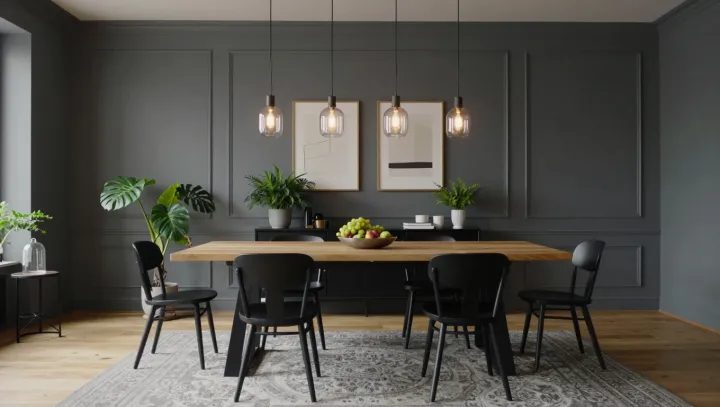
The real trick is hierarchy, not darkness. By keeping vertical illuminance on walls low and using pendant fixtures or shaded lamps to boost horizontal illuminance on the tabletop, designers control what the fovea treats as important. Human visual attention follows luminance gradients, so the brightest plane becomes the stage, while the surrounding envelope recedes into peripheral vision, which relies more on rod cells and cares less about fine detail.
At home, that same physics can rescue the most ordinary corner. Kill the overhead fixture. Use a single warm pendant or a slim table lamp so the brightest spot sits between plates, not on the ceiling. Add a dimmer to tune luminance ratios until faces glow and backgrounds fall one or two stops darker. The furniture has not changed, yet the room suddenly behaves like a private dining room.