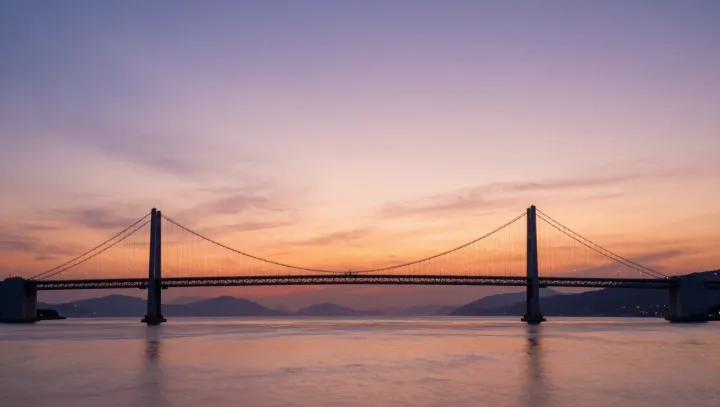
An orange span once branded fantasy did something more radical than close a strait; it turned skepticism into industrial policy. The bridge that bankers dismissed as folly became a field test for whether public capital and political will could drag American engineering into a new register.
At the heart of that bet stood a suspension design that many engineers quietly doubted, with a record main span, deep‑water foundations, and wind‑load calculations that pushed elastic theory and aerodynamics past familiar comfort zones. Steel mills retooled. Cable makers built new wire‑spinning rigs. Concrete plants scaled up continuous pouring. The project functioned as a distributed research lab where structural dynamics, stress analysis, and corrosion control moved from academic paper to poured steel and concrete.
More provocative than the steel was the financing. Local bonds, underwritten with federal blessing, turned the site into a New Deal jobs machine, absorbing idle labor across excavation, riveting, surveying, and inspection. Payrolls spread through shipyards, rail yards, and foundries, a closed‑loop of wages and tax receipts that private investors had refused to underwrite. Here was the quiet heresy: the state did not just patch a downturn; it used a bridge to leverage scale, socialize risk, and create a technological moat for domestic industry. American engineering limits did not move on their own. They were pushed, hard, by public money poured into a single, very visible piece of concrete and steel.