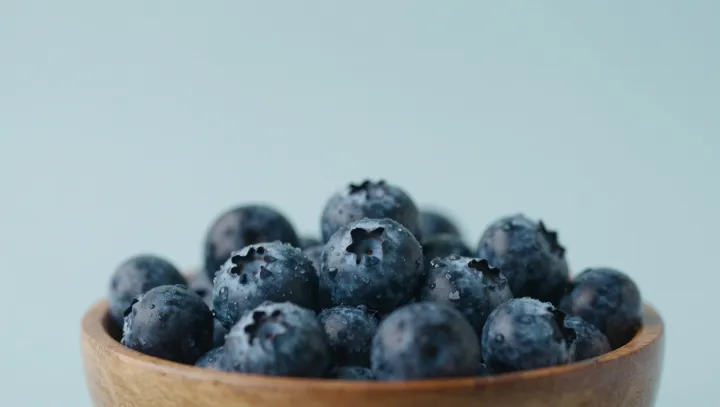
A fruit that is nearly all water looks nutritionally weak on paper, yet gram for gram it can outperform trail mixes and baked bars on fiber and antioxidant load. The trick is not volume. It is architecture, from the waxy outer skin down to the microscopic grid of its plant cells.
The bold claim is that water does not dilute value here; it stages it. Within that watery matrix, cellulose and pectin form rigid cell walls that lock in dietary fiber, while vacuoles stockpile polyphenols and carotenoids, the compounds linked to reduced oxidative stress. Because these structures are thin but numerous, each gram of tissue hides thousands of compartments, each one a small reservoir of bioactive molecules rather than empty bulk.
The real surprise is that the skin, often discarded, behaves like premium real estate. Its cuticle and epidermal layers carry the highest concentration of flavonoids and phenolic acids, compounds that food scientists routinely measure with assays such as ORAC and FRAP. Dense snacks spread their starches and fats across largely uniform particles; this fruit stacks fiber into structural scaffolding and then lines those scaffolds with antioxidants.
The result is counterintuitive but consistent: once moisture weight is accounted for, the microengineering of plant anatomy lets a watery fruit beat many dry snacks on the metrics that matter to nutrition scientists, while still tasting like almost nothing but water.