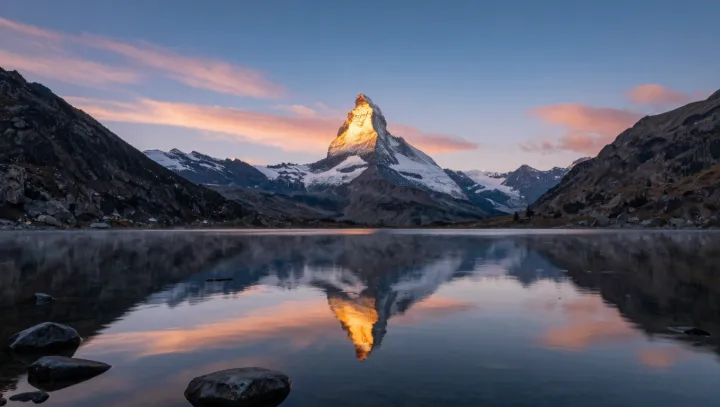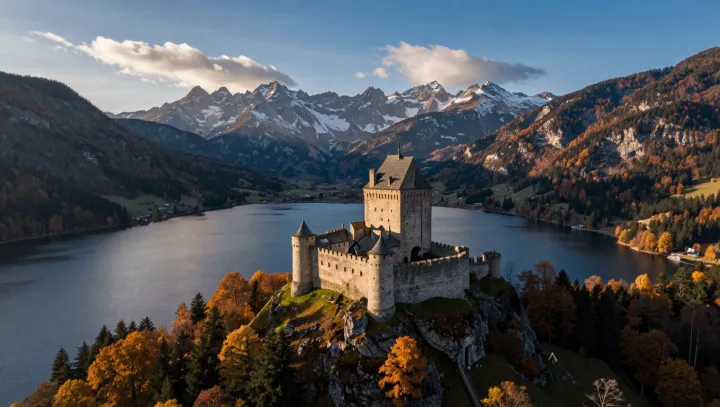
Perfection, here, is an accident. A narrow basin scooped by a valley glacier, then dammed by a ridge of moraine, became the calm lake that now mirrors peaks and a hilltop church. No committee chose the waterline. Ice did, by simple abrasion and plucking along preexisting faults in the bedrock.
The real trick is vertical, not scenic. As the Adriatic microplate shoved into the Eurasian plate, compressional stress folded and uplifted thick stacks of limestone, creating the steep relief that seems staged for postcards, yet follows standard plate tectonics and isostatic adjustment rather than any grand design. Where joints and bedding planes weakened the rock, glaciers deepened troughs; where harder blocks resisted, they survived as headlands and promontories that now host fortifications and churches.
What looks curated is just timing and erosion. Retreating ice left overdeepened rock basins, sorted glacial till, and a natural dam that trapped meltwater; fluvial incision later cut a discreet outlet, fixing the lake level at a height that happens to frame a clifftop sanctuary against snow-streaked summits. The entire scene, often dismissed as “too good to be real,” is simply geomorphology obeying stress fields, fracture patterns, and gravity.