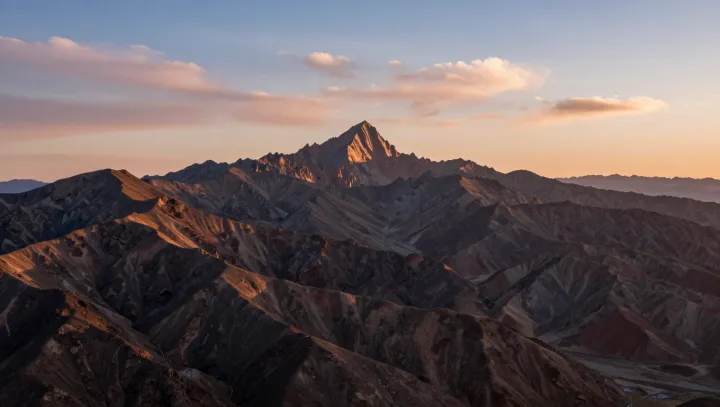
Sharp shadowed ridgelines cause more funerals than many postcard summits. Their height misleads. What matters is structure, not fame. On these broken spines, rockfall mechanics, freeze‑thaw cycles and shattered sedimentary layers combine to produce holds that shear without warning, so a hand the size of a coffee cup can trigger a cascade large enough to sweep a rope team off both sides.
Worse, these ridges punish hesitation. One step. No buffer. With exposure dropping on each flank, a stumble that would mean a bruised hip on a broad normal route becomes a terminal pendulum. Because many of these lines lack fixed anchors, alternative ledges or side gullies, standard risk controls like down‑climbing to safer terrain or building redundant belays collapse into theory only, not practice.
Most deadly of all is the illusion of escape. A low summit lures parties with lighter gear, thinner helmets, casual timing. Yet ridge topology, cornice formation and poor route‑finding visibility can trap climbers above unstable scree, where retreat demands the same precision as ascent, only with colder fingers and fading concentration. The mountain does not need to be high to run out of second chances.