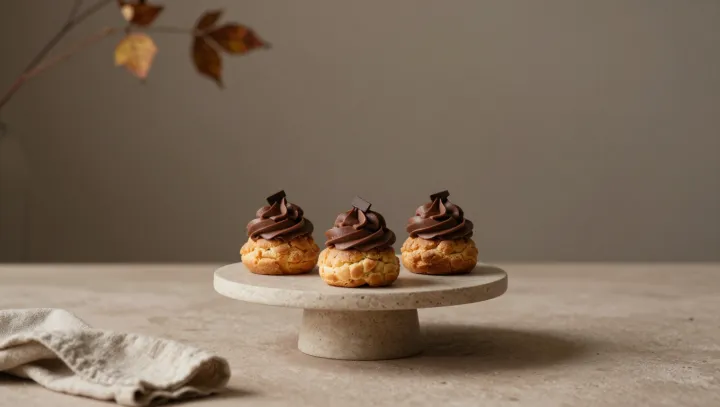
Three cream-topped pastries on a small plate are not harmless. They are a training device. Night after night, that cozy ritual pairs a spike of sweetness with the quieting of a hard day. The pairing is what matters. In neurobiology this is reward learning, and it does not care that the setting looks gentle.
Comfort, in this pattern, becomes a negotiated lie. Under stress, the hypothalamic–pituitary–adrenal axis pushes cortisol up, and sugar hits reduce perceived distress while dopamine release in the nucleus accumbens tags the dessert as the fastest exit from discomfort. Next time tension rises, the brain does not ask what you value. It recalls what worked fastest.
This is how a ritual narrows choice. Synaptic plasticity in prefrontal circuits, which support impulse control and delayed reward, is slowly outcompeted by a more efficient cue–craving–consumption loop in the striatum. The plate appears, stress fades, options shrink. Comfort stops meaning rest, conversation, or a walk. It starts meaning sugar, then decisions, if any, after.