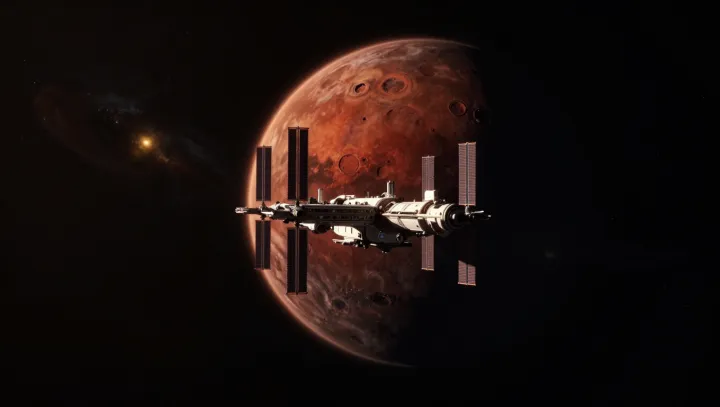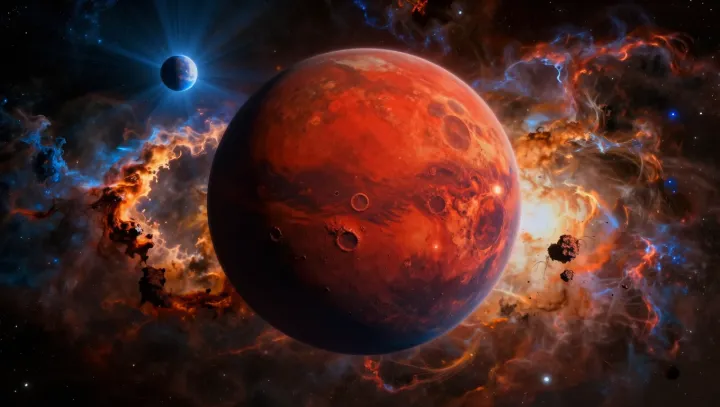
Dust, not drama, now defines Mars. Yet the planet’s bare rock and thin air keep whispering that this calm is fake, a late chapter after a wetter, louder story written in chemistry. Orbital spectrometers map hydrated minerals, while rovers grind into sulfate rich layers that only persistent liquid water can sculpt across long spans and wide basins.
The bolder claim is that Mars still archives more than just old shorelines. In drilled cores, fine grained mudstone and cross bedded sandstone point to stable lakes and flowing rivers, conditions in which organic carbon could accumulate and survive. Instrument suites tuned to spectroscopy and chromatography chase faint organics, even as oxidants such as perchlorate and superoxide complicate every signal and threaten to erase delicate molecular traces.
Skeptics argue that minerals do not equal microbes. They are right. Yet isotope ratios in carbon and hydrogen, plus the distribution of clay bearing strata, outline a planet that once cycled water and energy in ways that approach basic habitability. The dry deserts and polar ice caps now function like a sealed archive box, thin and cold, but still holding the chemical paperwork of oceans that vanished long ago.