A poisonous bulb should not sell hope, yet one flower has done exactly that. First it arrived in notebooks as a problem: a plant with alkaloids in its bulb, recorded in careful cross section, annotated for toxicology and pharmacology, filed beside other clinical risks. Petals were almost an afterthought; the diagram served as a warning label for livestock, children, patients, and anyone tempted to test it in a kitchen remedy.
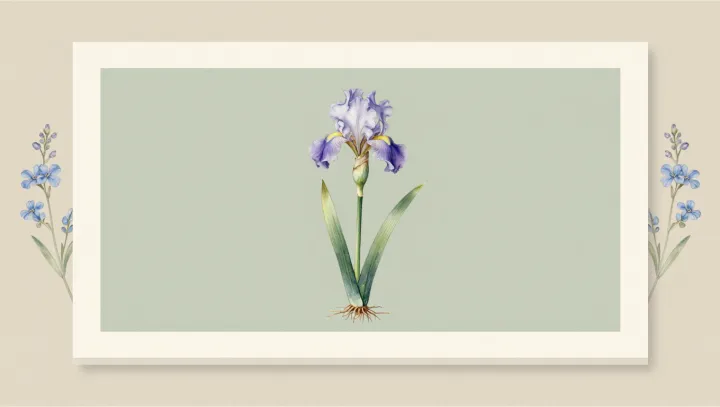
What changed was not the molecule but the gaze. Gardeners prized its timing: the shoot piercing frozen soil, the inflorescence opening while branches stayed bare, the same sequence repeating with clocklike regularity, a kind of biological metronome for phenology. Painters then cropped out the bulb, keeping only the clean stalk and pale corolla, so the dangerous storage organ vanished below the frame and with it the fear that drove those early anatomical plates.
Culture, being selective, kept the story it needed. Liturgies borrowed the flower as shorthand for resurrection; poets borrowed it for recovery after grief; designers borrowed it for annual campaigns about mental health and environmental repair. Toxicity did not disappear, it just moved into footnotes and clinical manuals, while the blossom on paper and screen now stands for a quieter promise: damage exists, but return is still possible.