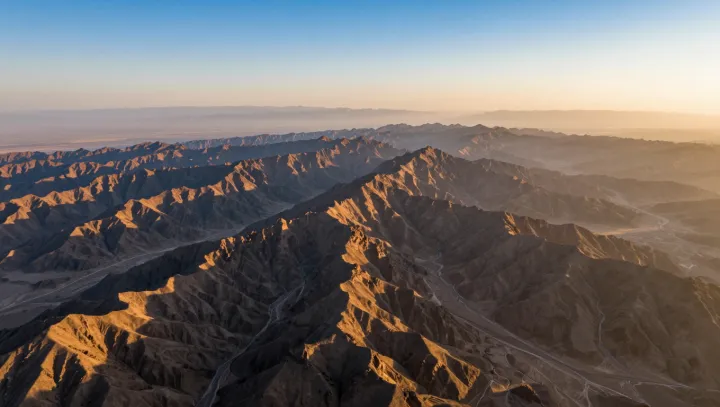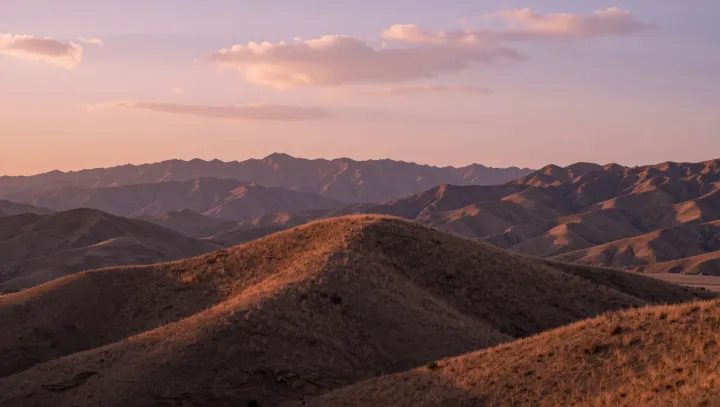
Bare sand is lying. Under that quiet surface, every plant is in a hostile contest for water, and the rules are written by physics, not poetry. Rain arrives in brief pulses; most of it is lost to evaporation and run‑off, so only a thin film clings to soil particles. Plants that tap this film first, or hold it longest, gain a temporary monopoly and lock competitors out.
Survival here is less about beauty than about engineering, and the key metric is root architecture. Some species push roots meters down to reach deep groundwater, exploiting hydraulic conductivity in coarse sand; others spread dense, shallow mats that vacuum up the upper millimeters of moisture within minutes. Allelopathic chemicals, osmotic adjustment inside cells and ultra‑small stomatal pores sharpen that edge, trimming losses molecule by molecule.
The harsh truth is that cooperation rarely pays in this zone; it is almost a zero‑sum game defined by microtopography and timing. Tiny ridges concentrate run‑off around one shrub and starve another only a few centimeters away. Germination waits for specific soil moisture thresholds, so seeds that wake a few hours earlier shade rivals and steal their share. What looks like emptiness from a distance is, at root level, a crowded tournament fought over each passing drop.