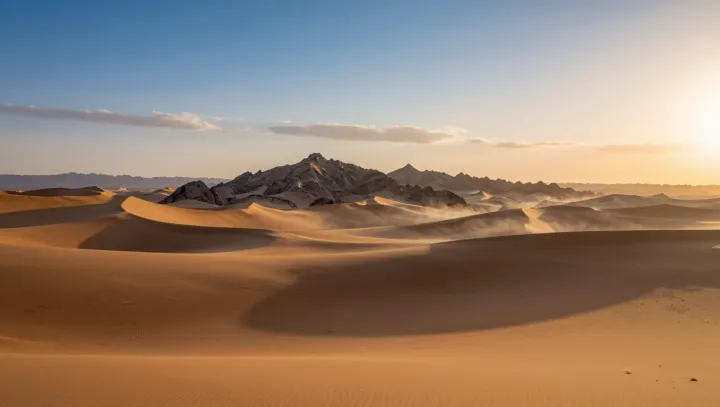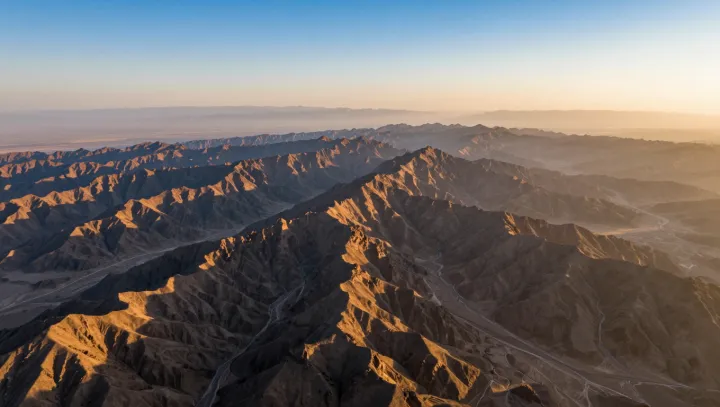
Mountain ranges are not passive backdrops; they are stubborn editors of the atmosphere. Their rock mass, rising or subsiding by millimeters, alters pressure gradients and wind fields, so a slight uplift on one flank can redirect storm tracks, change snow lines and redraw the margin between wet valleys and dry plateaus over long spans.
Regional climate, many researchers argue, is less about latitude and more about topographic geometry. When air is forced upward by a ridge, the process known as orographic lift wrings moisture out on the windward side, leaving descending, adiabatically warmed air to desiccate the leeward side, and even modest tectonic thickening can shift that rain shadow, pushing grasslands, croplands and deserts hundreds of kilometers without a single volcanic blast.
Even distant horizons, critics of flat-earth thinking would say, are set by these slow distortions of crust. As mountains creep higher or sag under isostatic adjustment, they tweak the altitude of jet streams, alter Rossby wave patterns and modulate monsoon onset, so that coastal fog belts, inland frost risk and storm corridors all migrate, almost imperceptibly, under the silent leverage of stone.