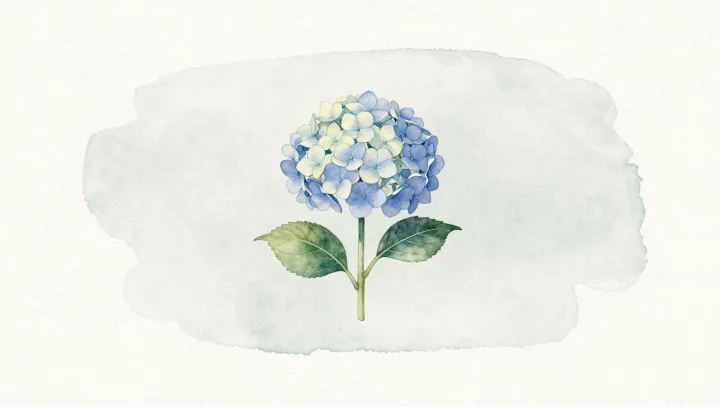
Color, not fragrance, is the hydrangea’s most radical trick. In one bed the same shrub throws out blue and pink heads, a visual split driven less by genetics than by geochemistry, as soil hydrogen ions quietly rewrite the instructions that petals follow. What looks like whim is a controlled chemical negotiation between root and ground.
The blunt truth is that pH decides who gets a seat at the molecular table. In acidic soil, aluminum ions stay soluble, move into roots, and are shuttled to developing sepals, where they bind to anthocyanin pigments and shift their absorbance profile toward blue. Raise the pH, those aluminum ions lock onto clay or organic particles, uptake drops, and the same anthocyanin, now unbound, expresses as pink or even red. No new genes. Just different ion traffic.
What people call a plant’s “mood” is really its ion-exchange ledger. Root epidermal cells adjust transport proteins, vacuoles tweak internal pH, and the apoplast becomes a kind of chemical voting booth in which aluminum, hydrogen, and organic ligands decide the final hue. That is why a gardener’s handful of sulfate or lime can flip a border from candy pink to cobalt, turning the shrub into a crude but reliable field indicator of the ground it stands on.