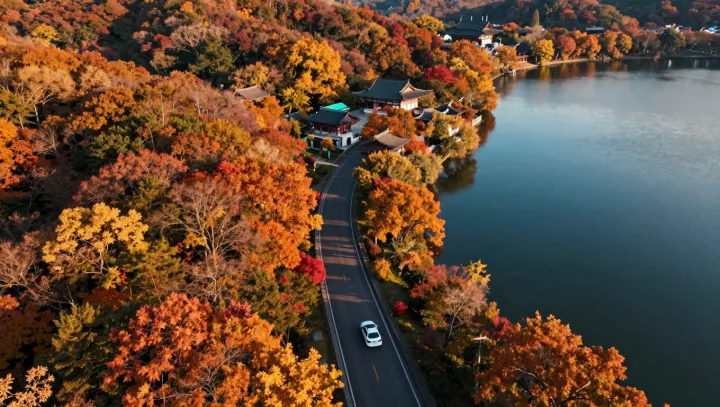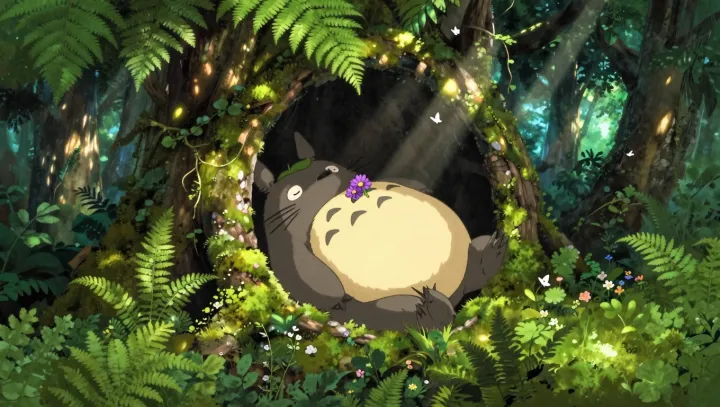
A quiet forest sketch often defeats a roaring chase scene in the contest for memory. Not because the forest is poetic, but because the brain treats it as safe enough to study. Under moderate arousal, the hippocampus and medial temporal lobe can bind color, texture, faint sound and spatial layout into integrated engrams rather than just registering shock.
High-budget action, by contrast, is built to hijack attention, not to reward careful encoding. Rapid cuts, loud scores and violent motion push the amygdala into threat assessment mode, driving cortisol and narrowing attentional focus to immediate salience. You track the explosion, not the chipped paint on the car door or the pattern of light on the street. Those missing micro-details mean fewer retrieval cues later, so the memory collapses into a generic blur of noise.
Low-stress scenes work harder, quietly. In a slow forest shot, heart rate steadies, eye movements linger, and the default mode network has bandwidth to integrate sensory input with prior associations. The rust on a sign, the uneven moss, a distant bird call; each becomes a separate index in episodic memory. When the mind later reconstructs the moment, it has a dense archive to draw from, which is why that almost eventless frame can resurface with unnerving clarity long after the fireworks fade.