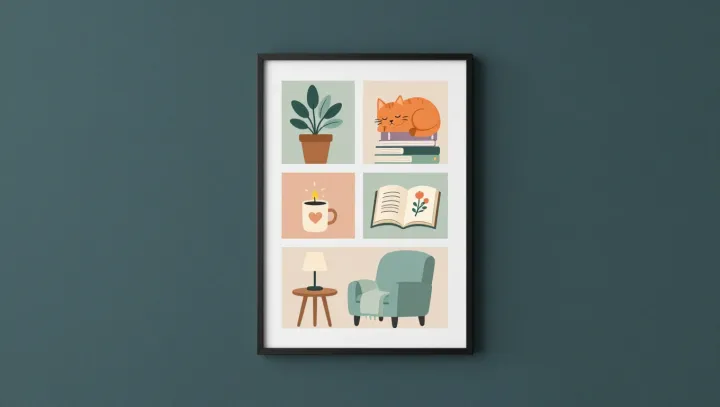
Soft light on a side table did not used to be a business model. Now that muted lamp, plus a blanket, plus a linen‑covered novel, anchors a wellness economy promising reset, immunity and emotional repair.
The odd truth is that this winter reading mood sells better than it heals. Marketers quietly swapped a simple leisure habit for a quasi medical ritual, sprinkling in phrases about cortisol, circadian rhythm and nervous system regulation, while most products orbiting the aesthetic have never been tested against any measurable biomarker or randomized control group.
Investors like the story because it scales cheaply. A scented candle, a subscription book box, a mindfulness app with page‑turn sound effects: each can be priced as self‑care, even though epidemiology still ties real health shifts to sleep duration, aerobic capacity and blood pressure, not to the color of your throw pillow or the grain of your wooden bookshelf.
The harder claim is that this fantasy may even tranquilize dissent. If calm can be bought as an ambiance kit, structural questions about overwork, housing stress or medical access get pushed offstage, replaced by a private, merchandised quiet that flatters the brain while the body, and the system around it, stay largely the same.