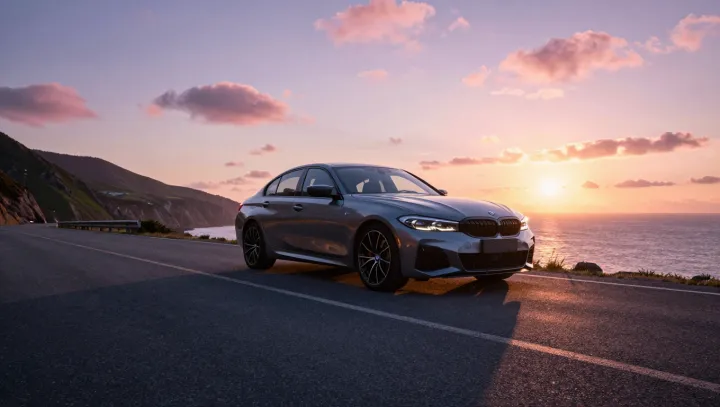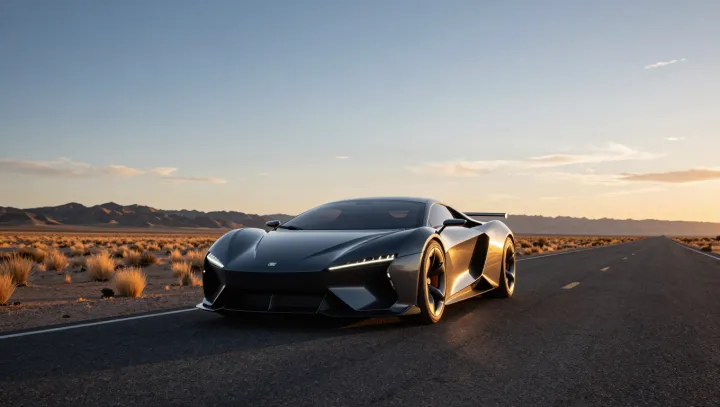
An empty highway, not a clogged boulevard, is where a modern sports car often works easiest. At steady higher speeds, the engine can sit in a narrow efficiency band while the rest of the car sheds load through careful design of drag, gearing and combustion control.
The counterintuitive truth is simple. City pace hurts. Frequent throttle changes, low gear operation and constant braking waste kinetic energy and keep the engine away from its brake specific fuel consumption sweet spot, the rpm and load range where each unit of fuel releases the most useful work with minimal friction and pumping loss. At a stable highway cruise, engineers can align final drive ratio, overdrive gear and torque converter or dual clutch control so the crankshaft turns slowly while still delivering enough torque to overcome rolling resistance and aerodynamic drag.
Equally odd, a fast shape can be more relaxed when it goes faster. Sports cars chase low drag coefficient and reduced frontal area so that aerodynamic drag rises more gently with speed than it would on a bluff vehicle, which means that at a moderate highway rate the power demand may still sit below the engine’s most efficient plateau. Turbocharged engines then exploit specific boost maps and direct injection timing to run leaner mixtures and higher compression equivalents under light load, keeping exhaust gas temperature and bearing stress in check. With the crank spinning in its comfort zone, oil pressure stable and coolant flow optimized, the car is not straining. It is simply cruising into the sunset, using engineering to turn speed into a quieter mechanical life.