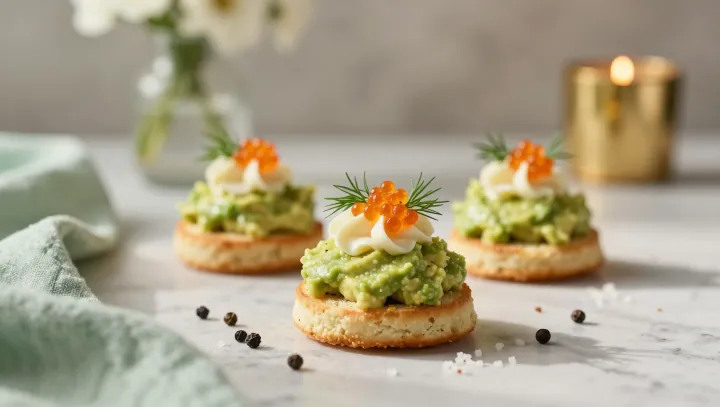
A lone toasted round can feel more decadent than a full plate. That is not illusion; it is neuro-economics applied to lunch. Fat from avocado slows gastric emptying and amplifies cholecystokinin release, stretching the interval before hunger hormones rebound. Crunch from the bread recruits auditory and tactile cues that the brain reads as effort and volume, so each bite is logged as a meaningful event rather than background grazing.
Most powerful in this small assembly are the umami pops from roe. By hitting glutamate receptors and enhancing salivation, they heighten reward in the orbitofrontal cortex while barely moving the calorie needle. The brain, biased toward intensity over mass, weighs these spikes of flavor, texture, and viscosity more heavily than sheer quantity. So the toasted round, architected with controlled lipid load, mechanical crunch, and concentrated umami, leverages satiety signaling and sensory-specific satiety to punch far above its portion size in perceived richness and satisfaction.