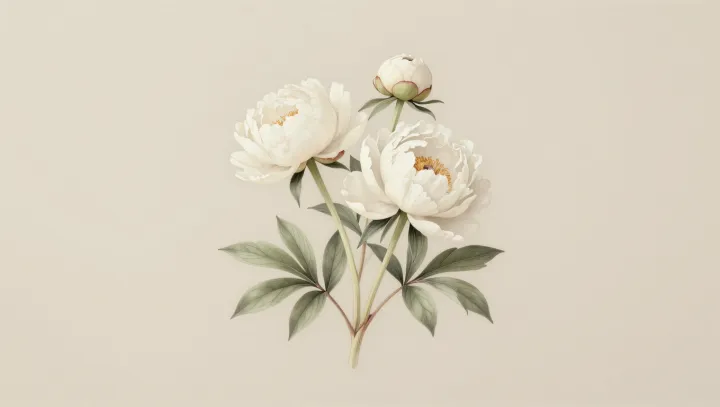
A print like this is not pretty first, scientific second; the hierarchy is reversed. High-resolution petals, numbered veins, even the angle of a bud encode traits that taxonomists call diagnostic characters, the same fine structures used to separate one species, subspecies, or ecotype from another. What once hung above a mantel now functions like a static genome readout, fixing a plant’s form at a specific place and season.
The real surprise is how stubbornly that frozen form still talks to modern ecology. When botanists align historic illustrations with herbarium sheets and contemporary field photos, they can score shifts in flowering time, known as phenology, and in leaf morphology, then match those shifts against long-term temperature and precipitation records. Earlier blooming in related species, thinner petals, altered stomatal density hinted by surface texture: each visual clue can be coded, entered into datasets, and modeled as a response to warming environments.
Even the artistic choices, once dismissed as flourish, now read like metadata. Precise shading around seed pods supports studies of dispersal traits; cross-sections reveal ovule number that feeds into phylogenetic analyses and comparative genomics. Where critics saw ornament, current researchers see a distributed archive, one that lets a single flower, inked on paper, report both its evolutionary history and its changing climate in silent, meticulous detail.