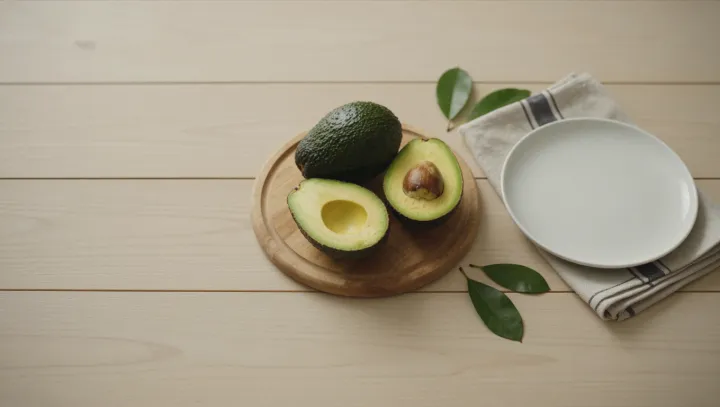
Avocado did not just get rebranded. It quietly rewrote the script on what “fat” should taste like in a health-obsessed diet, turning a former dietary villain into the poster fruit of restraint and purity.
First came the scientific pivot that framed its fat as protective rather than harmful, with monounsaturated lipids linked to lower low-density lipoprotein and improved insulin sensitivity, giving marketers a ready-made shield against the old calorie panic. Then café menus and social feeds flooded with avocado toast and smoothie bowls, offering a visually coded shortcut for virtue that happened to feel indulgent on the tongue.
What looks like a fad is in fact a subtle retraining protocol. Repeated pairing of avocado’s buttery mouthfeel with wellness cues conditions the brain’s reward circuitry, including the orbitofrontal cortex, to tag plant creaminess as the safer source of dietary pleasure than dairy. Food companies now leverage that association, building sauces, dips, and frozen desserts around avocado and similar plant fats, turning a single fruit’s redemption arc into a broader shift in how consumers define comfort itself.